





Crypto.com announced it is cutting about 12% of its workforce as part of a company-wide integration of enterprise-grade artificial intelligence (AI). CEO Kris Marszalek stated this strategic adjustment (crypto jobs cut) intends to combine “the best AI tools with a high-performance workforce” in order to achieve “levels of scale and precision previously unattainable.” The affected roles are primarily those deemed unable to adapt to the new vision and business model.
Crypto Jobs and The Block Paradox: Fire Then Rehire
Block, Inc. (formerly known as Square, Inc.) has reported that the firm has started to re-hire some of the same employees it let go, after previously laying off over 4,000 employees (nearly half its staff) in February due to AI-driven restructuring. CEO Jack Dorsey described the layoffs as “one of the hardest decisions” in Block’s history, claiming that the implementation of “intelligent tools” facilitates “flatter and smaller teams”, therefore changing the way companies operate.
It could be assumed that the layoff could have gone too far, or that the transition to AI is not going as smoothly as expected due to the nature of the re-hire process; both sound very contradictory compared to the premise of Block betting on AI to allow them to “do more and do it better” while employing fewer humans.
The Meta Factor
Adding chaos to the crypto jobs market, Meta, the social media giant, is expected to lay off about 20% (around 16,000 jobs) while increasing AI infrastructure investments. CEO Mark Zuckerberg says an AI tool will allow people and projects to accomplish tasks with a single highly talented person rather than having large teams working on them, resulting in significant cost savings.
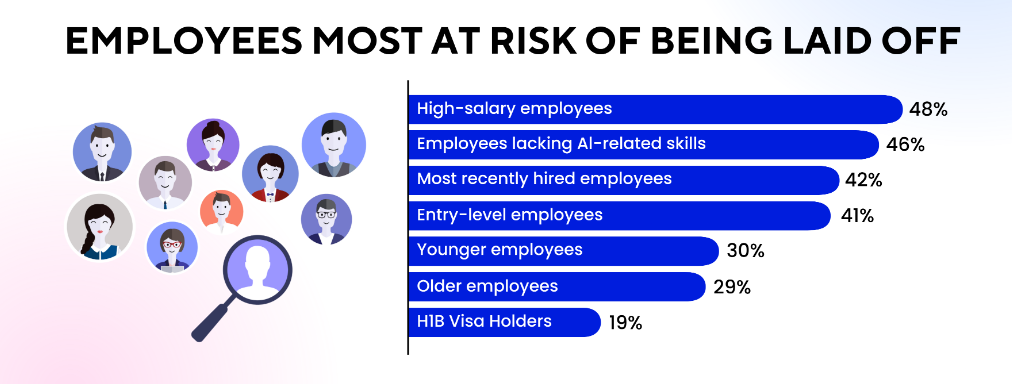
Other companies like Intel, Amazon, or Google did the same in the past, cutting staff, including middle managers and related ranks, to increase operational efficiency and avoid bureaucracy. This is not exclusive to tech companies, but the retail sector will also have multiple massive layoff rounds in the coming months.


