





Crypto Adoption and Innovation: Arkham Intelligence has put out an overview report on how the crypto industry is currently growing within four key pillars: grassroots usage, product development, regulatory clarity, and institutional participation. So far, the findings have revealed a multipolar world where no single country dominates all categories.
Leaders by Category
Adoption Rates: As of December 31, 2026, India will have approximately 123 million individuals using crypto due to its young and tech-savvy base, along with peer-to-peer (P2P) trading within the country and across borders. Nigeria, on its side, has approximately 60% of its adult population using crypto as a hedge against its declining naira, translating to the highest crypto penetration rate globally.
Pakistan, Vietnam, and Brazil are also experiencing increased rates of adoption, largely attributed to remittances, freelance economies, and distrust in their respective banking systems.
Innovation: In 2025, venture capitalists invested more than USD 10 billion into crypto-related startup companies in the United States, making it the global leader in this area.. The launch of spot Bitcoin Exchange Traded Funds (ETFs) generated USD 50 billion in new investment, confirming and supporting Bitcoin (BTC) as a mainstream institutional asset class.

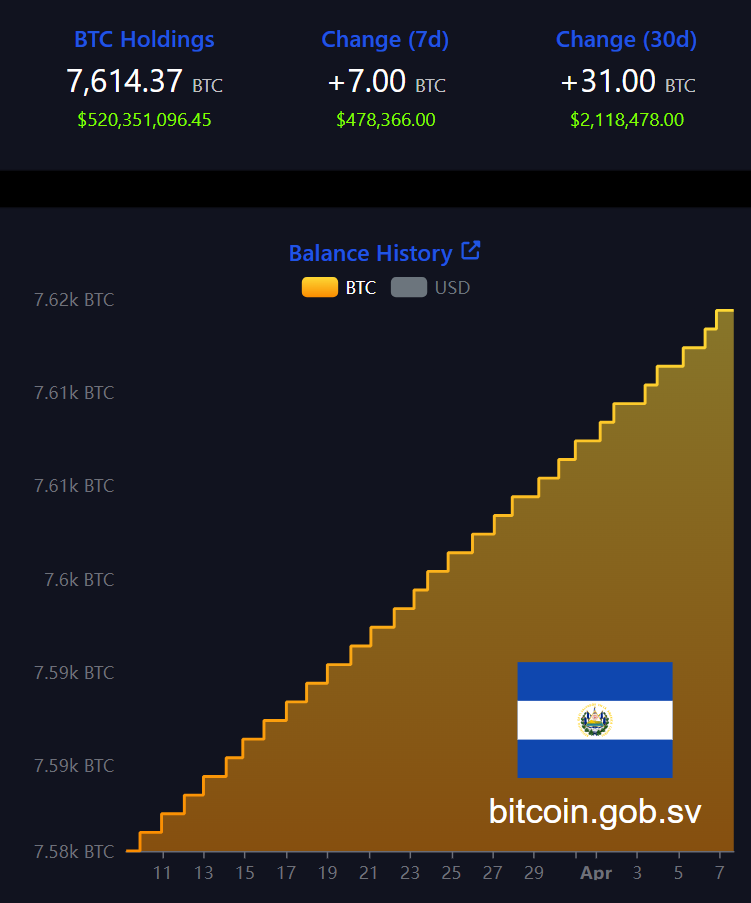
Switzerland’s “Crypto Valley” (Zug) has more than 1,200 blockchain businesses employing approximately 6,000 people, and El Salvador has created geothermal Bitcoin mining zones and built a national reserve of over 7,614 BTC at the time of writing.
Regulation and Tax: The United Arab Emirates (UAE) has the Virtual Asset Regulatory Authority (VARA), which is the first global regulatory authority to cover only virtual assets, with no tax on personal income from selling or trading crypto assets or capital gains. In Switzerland, individual crypto holdings are taxed as wealth, rather than as income, and there is a well-established legal framework for both startups, banks, and established companies to operate in that space.
In Singapore, capital gains from the sale or trading of crypto assets are not taxable under the Capital Gains Tax Act; however, there is a specific section within the Payment Services Act that addresses the issuance and use of digital payment tokens. In Estonia, companies only pay taxes on profits that they distribute.
Institutional Activity: The United States of America has become the global leader in the crypto industry; the Office of the Comptroller of the Currency (OCC) has verified that banks can hold crypto on their balance sheets as permitted under the GENIUS Act.
Abu Dhabi has created an economic zone [Abu Dhabi Global Market (ADGM)] based on English common law (a precedent that is probably familiar to international capital), and this new regulatory environment has already attracted major entities to this jurisdiction, including Binance, which raised USD 2 billion from the sovereign wealth fund MGX; and the Phoenix Group, a local conglomerate of crypto-related businesses that went public with a market capitalization of USD 3.3 billion.
Hong Kong is also creating a clear regulatory framework, requiring all crypto exchanges to obtain a license from the Securities and Futures Commission (SFC), with 11 platforms earning approval by early 2026.
Crypto Adoption and Innovation: Why It Matters
The crypto adoption and innovation landscape is rapidly maturing. According to Arkham, “the era of cryptocurrency existing in a regulatory gray zone is quickly coming to an end.” Countries that do not have clear regulatory frameworks are at risk of losing talent, investment, and innovation to jurisdictions that are proactively developing a legal infrastructure, while users and businesses must start to treat compliance with legal standards as equally important as technology.


