





Key Takeaways
- A scam token project used a deepfake of former Kenyan Prime Minister Raila Odinga to promote the project.
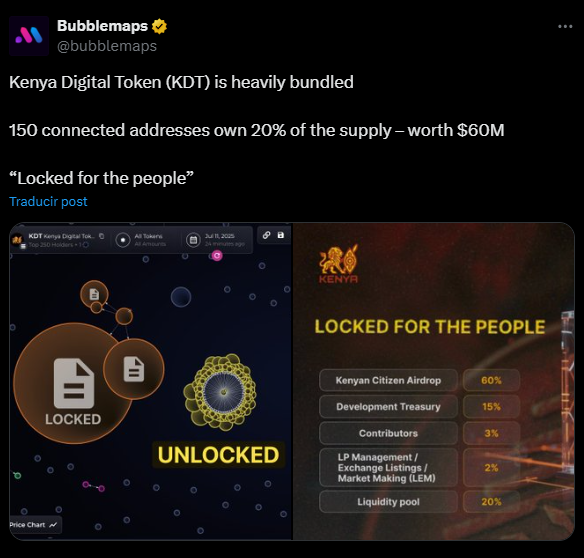
- The scheme fell apart after community detectives discovered the video was AI-generated and involved overwhelming amounts of insider token bundling.
- The case represents the alarming nexus between AI deepfakes and crypto scams.
Table of Contents
The Kenya Token Scam: An Advanced, AI-Driven Ruse
The Kenya Token scam featured frightening new techniques, utilizing a hacked social media account that posted a deepfake video of former Prime Minister Raila Odinga endorsing the scam.
The AI-generated video was realistic enough to fool followers at first, but was deleted quickly after followers began asking questions. Upon further review, even some analysts and community members saw substantial differences in how Odinga’s speech patterns were somehow different compared to the video, confirming that it was advanced deception.

Taking Advantage of Government Confusion
The Kenya token scam attempted to take advantage of confusion about a government-backed project called Kenya Digital Token (KDT). Despite the controversies around the token distribution of KDT, with reports stating that 20% was taken by insiders of the project immediately after the launch, the deepfake token was unrelated; a completely fraudulent scheme that attempted to take advantage of the project’s name and perceived legitimacy.
Read also: Malaysian MPs Targeted in Coordinated AI Deepfake Extortion for Crypto
A Warning for the Crypto Space
This scam incident shows a terrifying new frontier in crypto-related fraud: the use of AI to create convincing public figures’ impersonations endorsing a crypto project. Moreover, users should notice this incident as a reminder to be more skeptical and highly diligent when researching and investing in projects claiming to be backed by governments or other public figures. But, to this point, the speed of identifying and shutting down this scam shows the power of a watchful community.
The Best Defense is Vigilance
The failure of this Kenya token scam is also a win for an engaged crypto community, but also a warning of what is to come. As AI tech becomes easier to create convincing deepfakes, the market must prepare for an onslaught of increasingly persuasive cyber fakes, making critical thinking and verification more important than ever.
Final Thought: If an AI can make a show of impersonating a representative of a state, what happens to trust and verification in a digitized world?
FAQs
What is the definition of a deepfake?
A deepfake is a type of synthetic media that uses artificial intelligence to replace and swap a person’s image or video with another person’s likeness, typically to create fabricated, harmful content.
What was the Kenya Digital Token (KDT)?
KDT was an alternative, semi-official token project that the scam was proposing to imitate; its own token distribution structure model had also been criticized.
How was the scam discovered?
The crypto community recognized that the promotional video was a deepfake created with AI, and they also found proof of insider token bundling, which are both red flags for a scam.
For more crypto scam stories, read: Crypto Scammer Impersonates UK Police Officer, Steals $2.8M BTC in Sophisticated Cold Wallet Threat


