




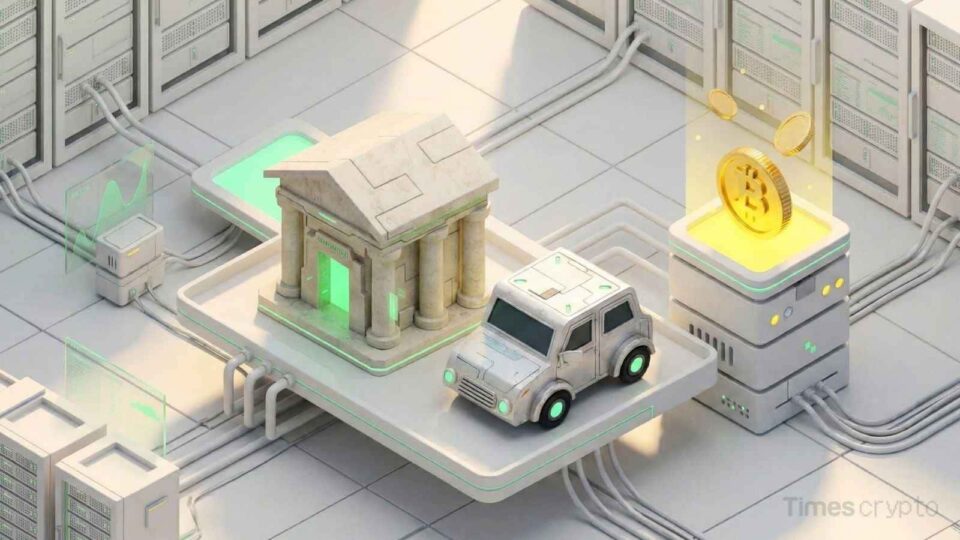
Real-world asset (RWA) tokenization has swiftly taken over the financial and investment world as a fintech revolutionary. A report from Boston Consulting Group states that the RWA tokenization market could hit $16 trillion by the year 2030, which is close to 10% of the total global GDP. In June 2024, Standard Chartered Bank and Synpulse made a joint prediction that the amount of tokenized RWAs would grow to $30.1 trillion by 2034. The technology is intended to change the whole process of issuing, holding, and trading real-world assets very similarly to the change that took place when all the paper certificates were replaced with electronic markets decades ago.
What is real-world asset tokenization?
RWA tokenization is the process of creating digital tokens on a blockchain that represent ownership of physical or financial assets. These assets can include:
- Financial assets: Stocks, bonds, equity, and other securities
- Real estate: Commercial and residential properties, undeveloped land, or REITs (real estate investment trust)
- Art and collectibles: Paintings, antiques, rare collectibles, and NFTs
- Commodities: Precious metals, agricultural products, and energy resources
- Intellectual property: Patents, copyrights, trademarks, and proprietary data
Tokens serve as proof of ownership in a digital form, giving assignable rights and programmable features while being locked in a blockchain to eliminate unauthorized access. The digitization of ownership of assets that were previously illiquid makes the assets easier to access, trade, and highly liquid.
Key Use Cases of RWA Tokenization
- Real Estate: Through tokenization, it is easy to own just a part of a property, which consequently makes it possible for investors to move into expensive ones with a smaller amount of investment. The method lowers barriers to entry, cancels intermediaries, cuts down transaction costs, and, even more, enables the global trading of property-supported tokens.
- Financial Assets: The process of tokenization can be applied to stocks, bonds, and shares, thus making those assets more liquid and easier to manage. The transactions are faster and less expensive than before, often going from the traditional T+2 settlement cycle to T+0 through the use of blockchain. This process not only creates new investment opportunities for companies and investors who lack access but also promotes regular buying and selling of a wider array of financial products.
- Art and Collectibles: NFTs or ERC-20 tokens, are the options for tokenizing valuable art pieces and collectibles, which allows fractional ownership besides serving as a transparent proof of authenticity. Thus, the exclusive art market is still open to a larger audience, and at the same time, token holders can easily transact the divided portions of art pieces.
- Commodities: Tokenization acts like an added advantage for traders in commodities like gold or oil in the sense that it ensures better market transparency and efficiency.
- Intellectual Property (IP): The owners of the IP can tokenize their patents, copyrights, and trade secrets as new revenue streams for the business, and investors will have access to the IP assets that were once out of reach.
Working of RWA Tokenization
- Identify the Asset: Choose a real-world asset for tokenization and thoroughly assess its value to understand its market worth.
- Choose a Platform: Pick a blockchain network such as Ethereum, Polygon, or Hyperledger that supports tokenization and smart contracts.
- Application of Smart Contracts: Utilize self-executing contracts that help determine real ownership, ensure compliance, and make the process of quick and secure transactions easier.
- Mint the Tokens: Develop digital tokens (often based on token standards like ERC-20 or ERC-3643) that represent a portion of the asset’s ownership.
- Issue and Trade: Allocate the tokens by means of Security Token Offerings (STOs) and facilitate secondary market trading, boosting liquidity and providing broader investor access.
Benefits of RWA Tokenization
- Easier Access: Through tokenization, investors are allowed to hold a tiny portion of the very valuable assets, thereby making participation more accessible and inclusive.
- Better Liquidity: The digital means of trading have made illiquid assets readily available for rapid entry and exit for investors.
- Portfolio Diversification: The investors get an advantage to spread their risk to different asset categories such as real estate, commodities, and art.
The Future of RWA Tokenization
RWA tokenization is changing how assets are perceived, granting access and increasing liquidity for those assets that were previously limited to a select group of investors. However, the challenges are still there, such as regulatory compliance, technology adoption, and market education. The financial ecosystem is rapidly changing, and the early adopters among investors, businesses, and market participants are the ones who could probably enjoy the most significant advantages.


