




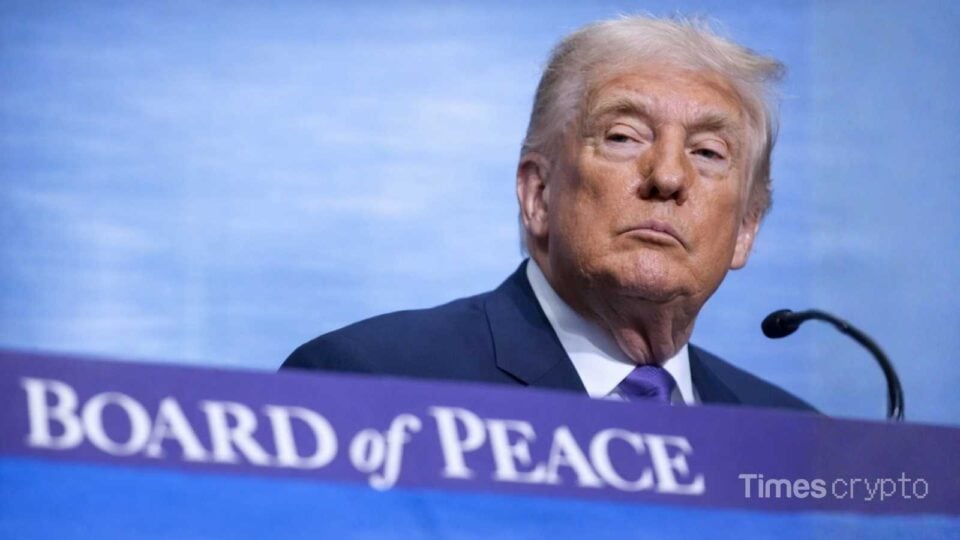
U.S. President Donald Trump’s “Board of Peace” is developing plans for a dollar-backed stablecoin for Gaza as part of a broader effort to restart the territory’s war-damaged economy, the Financial Times reported, citing people familiar with the discussions.
Digital token pitched as lifeline for trade
The concept under review would create a stablecoin tied to the U.S. dollar to allow Gazans to pay and get paid electronically despite the collapse of conventional banking and the shortage of physical cash, five people told the paper.
The proposal is at an early stage, and key questions such as regulation, access, and technical design remain open, the people said. It would not amount to a new Gaza or Palestinian currency, one person stressed, but would function purely as a digital means of payment.
Cash squeeze after war drives search for options
Gaza’s economy has been destroyed by two years of war between Israel and Hamas, leaving businesses, jobs, and basic commerce in ruins. The Palestine Monetary Authority, which regulates the banking sector in both Gaza and the occupied West Bank, has no mandate to issue a national currency, so the Israeli shekel continues to underpin most transactions, with other currencies playing only a limited role.
Since the war erupted in 2023, many ATMs have been destroyed or closed, the report said, allowing traders and brokers to seize control of the scarce supply of shekels and dollars and charge steep fees to release cash, pushing more residents towards electronic payment tools wherever they can still access them.
One person involved in the talks said moving more transactions into a traceable digital system is intended in part to drain Gaza of cash so local groups can’t generate any. Supporters also argue it would allow commerce to continue without being so vulnerable to any decisions on cash shipments.
Stablecoin plan tests institutional boundaries
The project is being led by Israeli tech entrepreneur and former reservist Liran Tancman, who serves as an adviser to the Board of Peace without pay, according to two people cited by the FT.
Officials from Gaza’s new 14-member technocratic body, the National Committee for the Administration of Gaza, and from the Office of the High Representative headed by former UN envoy Nickolay Mladenov are also involved.
The Board and the Gaza committee are expected to set the regulatory framework and decide who can use the token, though nothing has been formally approved.
Some people close to the talks warn that if the stablecoin sits outside the Palestine Monetary Authority’s control, it could deepen the economic split between Gaza and the West Bank, which Palestinians view as parts of a future state. They fear Gaza could drift towards a more self-contained system with fewer payment links to West Bank banks and businesses.
A person backing the project rejected that concern, saying the intention is only to give Palestinians a reliable way to transact digitally, not to redraw economic boundaries.


