




Morph, the Ethereum-based payments network backed by Bitget, has activated USDT0 on its mainnet. The integration has facilitated the transfer of Tether’s omnichain liquidity (more than 18 networks via LayerZero) directly into Morph’s payment-optimized environment, thereby unifying what was once a disjointed patchwork of bridged stablecoin solutions.
USDT0 Changes the Rules for Builders on Morph
For many years now, moving USDT across different chains required some level of compromise: wrapped variants tied to the bridge contract, fragmented liquidity pools that reduce the depth and risk of smart contracts lurking beneath all cross-chain transactions. The implementation of USDT0 eliminates this house of cards. USDT0 uses a burn-and-mint mechanism instead of a lock-and-mint.
For better understanding, any USDT destroyed by a transaction on a source chain will be reissued with Tether’s canonical USDT supply upon arrival at the destination chain, resulting in one version of USDT being on both chains instead of 17 slightly different versions.
Moreover, builders on Morph now only have to incorporate one consistent asset with a total liquidity pool of over USD 185 billion instead of maintaining fragile mappings between bridged tokens with incompatible liquidity pools.
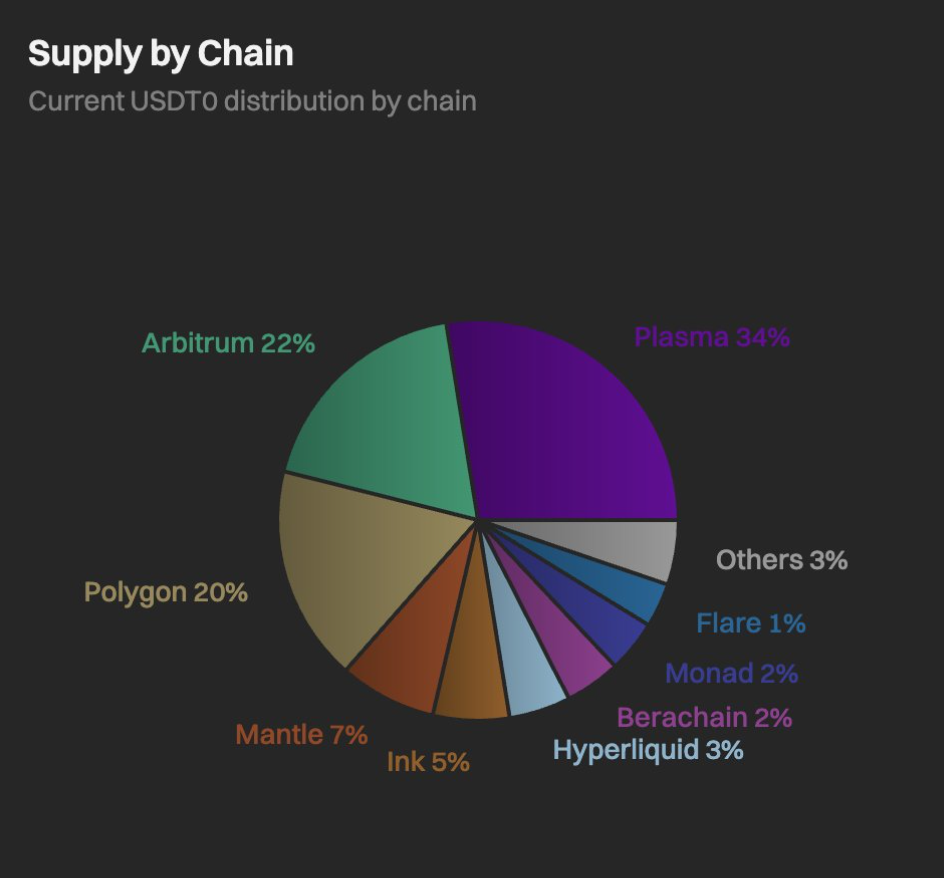
Infrastructure That Treats Stablecoins Like Actual Currency
This integration is not just simple technology but a cleanup. The engine of Morph is made for payments with sub-300 millisecond finality, zero fee transfers of stablecoins, and a throughput that is built for high-volume merchant settlement instead of just trading upon speculation. Also, USDT0’s integrations into the Morph engine connect the world’s most used stablecoin to Morph’s global payment processing.
The payment apps that use the Morph engine to remittance across borders, crypto card issuers who settle in real-time, and treasury desks that send corporate funds can now achieve both deep liquidity and efficient execution in a single EVM-compatible environment.


