




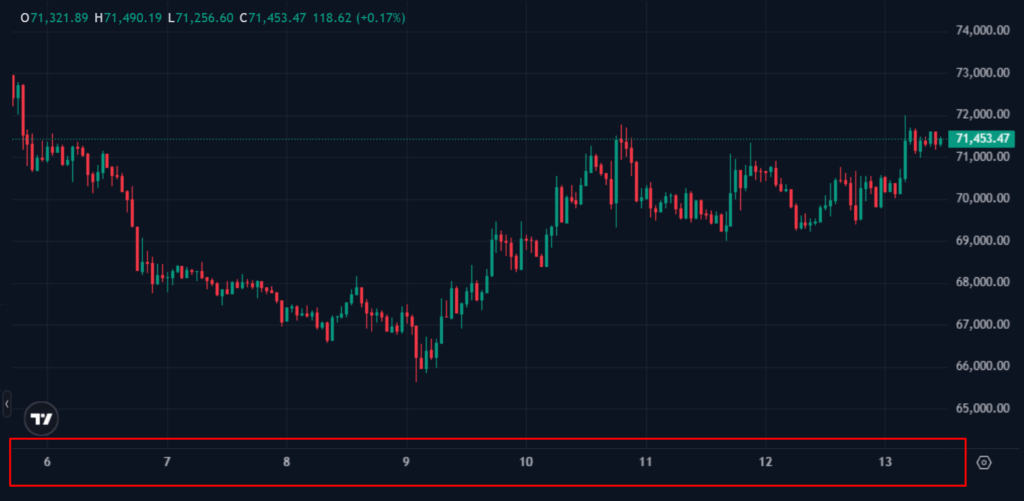
Despite geopolitical uncertainties, such as rising oil prices and falling equities due to tensions between Iran and the U.S., the Bitcoin weekly price action defied these forces and touched a high of USD 71,900, recovering from a support level of USD 68,000, over 4% gain over the week.
Why Bitcoin Held Firm
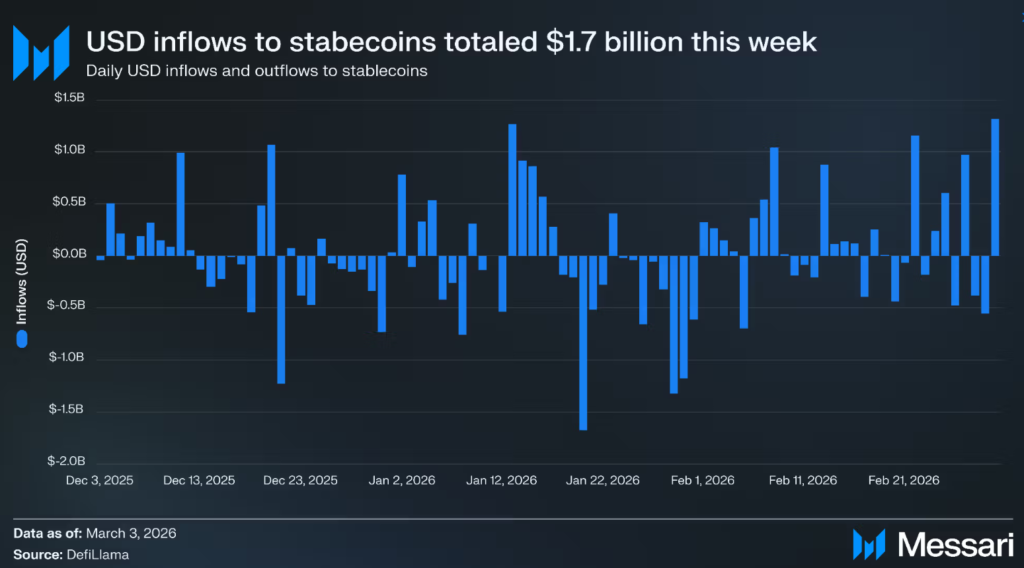
Bitcoin’s ability to remain strong has been attributed by analysts to crypto-specific demand counterbalancing macroeconomic turbulence. A 415% increase in stablecoin inflows (totaling USD 1.7 billion) indicates that capital that was on the sidelines has now begun to flow into the crypto market or is waiting to be deployed.
Meanwhile, the dollar experienced its greatest weekly gain this year, which generally would have negatively impacted Bitcoin, but instead, institutional accumulation and inflows tied to Strategy’s 11.5% yield product neutralized this uptick in the dollar’s value. According to Glassnode, 43% of Bitcoin supply is currently ‘underwater’ or at a loss (acquired above the current market value).

Given this state of affairs, it can be deduced that this supply level contributes to the significant overhead resistance BTC price will encounter moving forward, but there is enough buying power being absorbed by ‘whales’ to offset the pressure from selling. As an example of this last, starting the month of March, the Trump family miner American Bitcoin Corp alone acquired 500 BTC worth around USD 360 million, accumulating 6500 BTC as of now.
The Outlook
Historically speaking, prolonged oil shocks have almost always led to declining values of Bitcoin when they forced the Fed to raise interest rates. For the short-term, markets seem to be convinced that the ongoing crisis remains contained at this time. Current key resistance level remains at the USD 72,000, with a breakout potentially targeting USD 74,000, and critical support levels at the USD 70,400 and USD 68,800.


