




On January 12th, 2026, 17 years to the month of Satoshi’s generation block, BTQ Technologies made history by launching the Bitcoin Quantum Testnet, the world’s first quantum-safe fork of the Bitcoin protocol. This live network replaces Bitcoin’s quantum-vulnerable security with U.S. government mandated post-quantum algorithms.
What is so Great About Bitcoin Quantum?
Unlike most new technologies that have limited or no public access before their launch, BTQ Technologies’ Quantum-Safe fork of the Bitcoin Protocol is available to everyone to use in real life. With the testnet, anyone interested in developing on or participating in a real-world version of the Bitcoin Protocol can do so.
Bitcoin Quantum’s unique innovation is the replacement of the signature algorithm for Bitcoin from Elliptic Curve Digital Signature Algorithm (ECDSA) to ML-DSA (Module-Lattice Digital Signature Algorithm). This is the same signature algorithm that the National Security Agency (NSA) will require for its national security-related computer systems by 2035. Therefore, it is a critical step in securing the over 6.26 million BTC currently sitting in Bitcoin addresses with exposed public keys, including those of Satoshi. These exposed public keys represent a growing vulnerability that advanced quantum computers could exploit for potential theft in the future.

The Launch of Testnet is Urgent – Not a Conceptual Idea
The Testnet launch is a proactive measure to combat pressure being placed on the short timescale for solutions. The recent announcements from Google and Microsoft regarding their progress towards achieving quantum computing capabilities, and institutional investment firms such as BlackRock indicating that they are considering the impact of quantum on their assets (including the risk of quantum on assets held by their clients in an SEC filing), indicate that the theoretical threat of quantum has transitioned to a real and imminent threat.
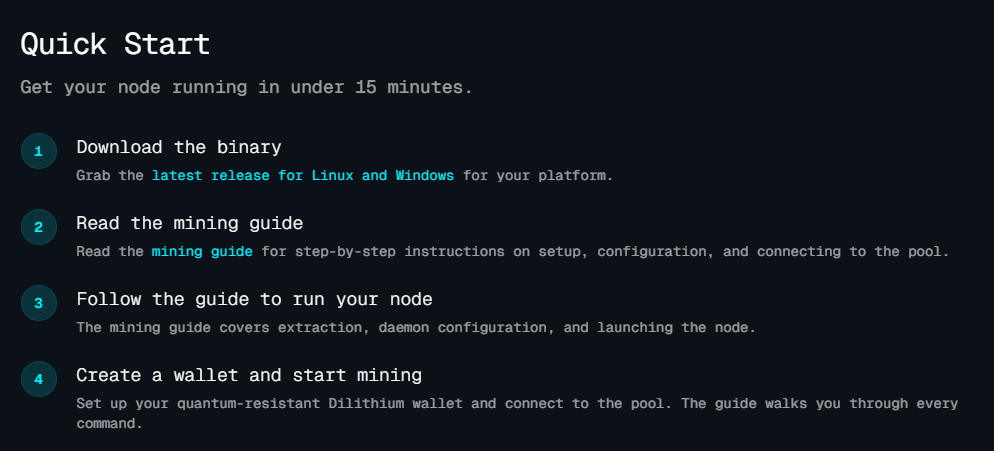
Bitcoin Quantum serves as a ‘canary network’, as described by researcher Delphi Digital, allowing the entire ecosystem to stress-test the post-quantum transactions (38-72x larger) and consensus mechanism without the risk of compromising the main Bitcoin Blockchain.
It also provides a concrete pathway for the migration of the Bitcoin blockchain to the post-quantum world, as Bitcoin Core’s own post-quantum proposals remain in early draft stages.


