





Major banks are competing to launch tokenized deposits (digital tokens representing customer cash), seeking to capture onchain commercial money flows. The first investment banks to start offering these tokenized deposits are JPMorgan Chase & Co., Citibank, European banks, and others. All intend to deliver the seamless execution of all transactions imaginable using stablecoins, while preserving corporate banking controls.
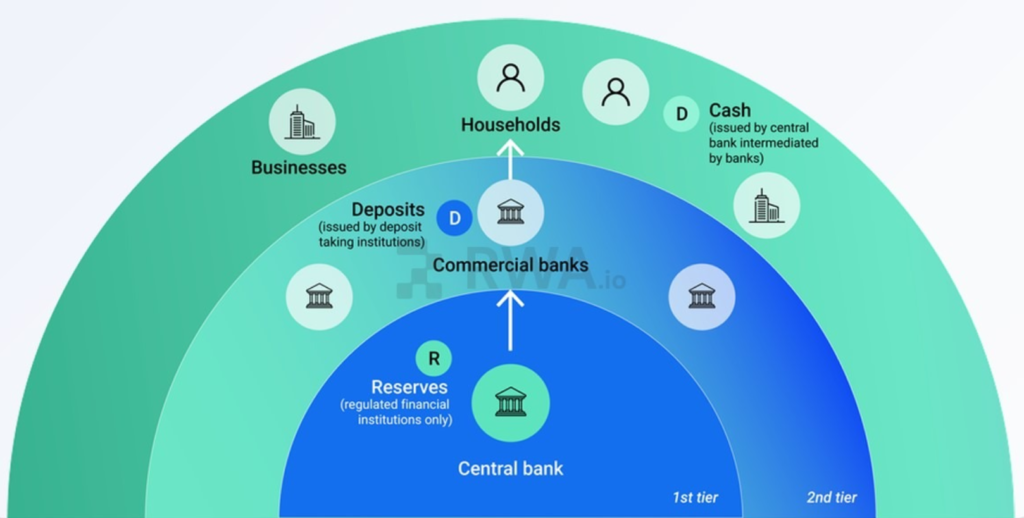
Banking and Regulatory Framework for Tokenized Deposits
Tokenized deposits are issued by regulated banks using permissioned blockchains and offer the security of anti-money laundering (AML) compliance procedures as well as know-your-customer (KYC) verification. With these capabilities, banks can settle transactions in a decentralized manner while providing customers with programmable, 24/7 access.
The competitive dynamics in this area are growing more intense as consortiums such as the Regulated Liability Network (RLN) work to test multi-institutional platforms where tokenized deposits can operate together. At the same time, stablecoin issuers are also racing to provide solutions to capture the same transactions, creating regulatory disparities and dividing lines regarding definitions and oversight.
The Definition Issue
To this point, regulatory classification is the biggest challenge. The way that U.S. regulators classify tokenized deposits has not yet been assessed, and there is no consensus if they fall under the definitions of “stablecoin” or under the definitions of “e-money,” or if they will need to be assessed into a new category altogether. The GENIUS Act creates a framework for stablecoins, but questions remain about how bank-issued virtual cash fits into that framework.
In a recent address to the Securities and Exchange Commission (SEC), the Chairman made it clear that having token-based compliance (ERC-3643) will be a crucial factor for regulated digital assets and strongly indicated that the infrastructure to support tokenized deposits will probably be expected to have specific technical requirements.


