




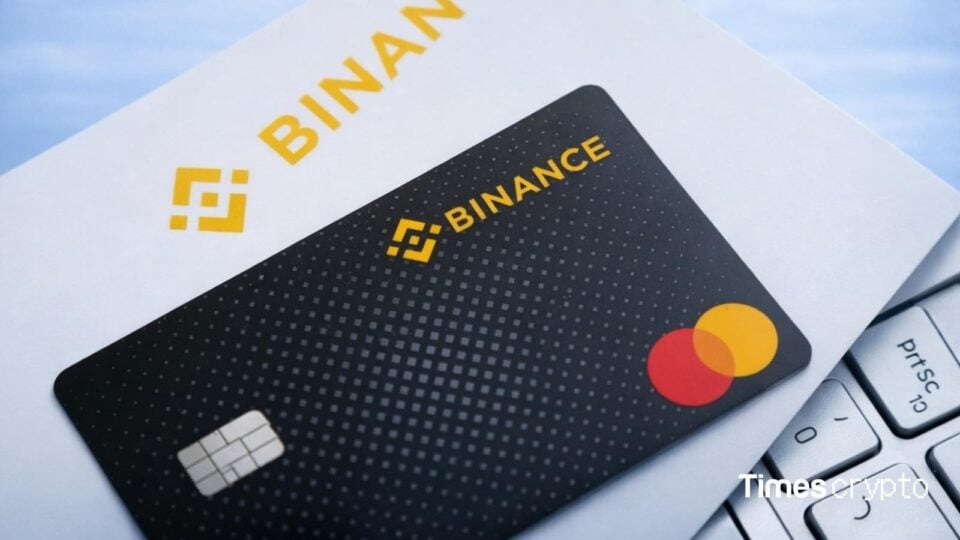
According to Anka Tsintsadze, Binance’s marketing head, the company is extending the reach of its Binance Mastercard crypto card into some Commonwealth of Independent States (CIS) countries, including Armenia, Kazakhstan, and Uzbekistan. Verified users in these jurisdictions now have access to use their crypto assets at locations around the globe that accept Mastercard.
How the Binance Mastercard Crypto Card Works
The Binance Mastercard crypto card takes over 100 different types of tokens (including Bitcoin, Ethereum, and stablecoins) and converts them into your local currency at the point of sale automatically, without requiring users to do this manually before the transaction. Cardholders will always maintain ownership of their digital currency until they make a purchase. Payment through this method allows the use of USD via credit card, Apple Pay, or Google Pay, while also allowing spending on local currency to make a payment via banks issuing decks in the Uzbek som (through the Humo network) or Kazakh tenge.
As a benefit, cardholders receive cashback of up to 2% on eligible purchases per month (up to $22.59). There are no admin or annual fees for creating an account with Binance; however, third-party fees may apply. Applicants need to verify their identity (Know Your Customer – KYC) and go through anti-money laundering (AML) screening before ordering.
Valentine’s Campaign and Regional Expansion
Binance is also launching a Valentine’s Campaign in conjunction with their regional expansion program, where the crypto exchange will be featuring a $20,000 reward pool and various promotions. Users will be able to earn pink tokens: AMP, UNI, and DOT, by referring someone to Binance, topping up their wallet, or trading on spot and futures markets until March 13th, 2023.
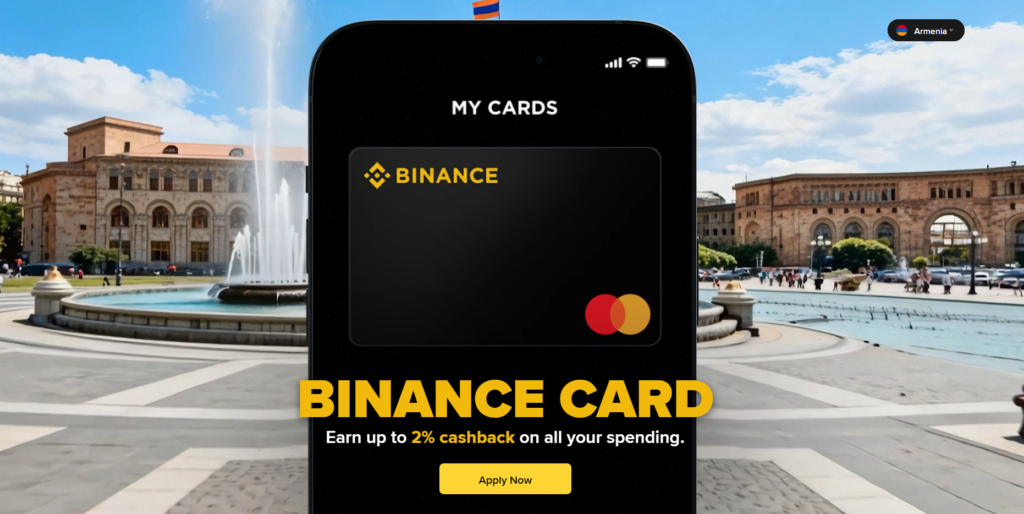
The CIS expansion provides Binance with an opportunity to offer its card products to customers throughout Eastern Europe. The Binance Mastercard crypto card product is already available to consumers in many European countries, such as Germany, France, and Italy, and Binance’s co-founder, Changpeng Zhao, said this was “the best way to push crypto payments and adoption.”


