





According to the Coin Metrics analysis, the number of dust transactions on Ethereum has increased significantly. Since the Fusaka upgrade in Dec 2025, making transactions cheaper, tiny stablecoin transfers under USD 1 have tripled, resulting in “address poisoning” attacks making up over 10% of daily transaction activity, and flooding hundreds of thousands of wallet addresses.
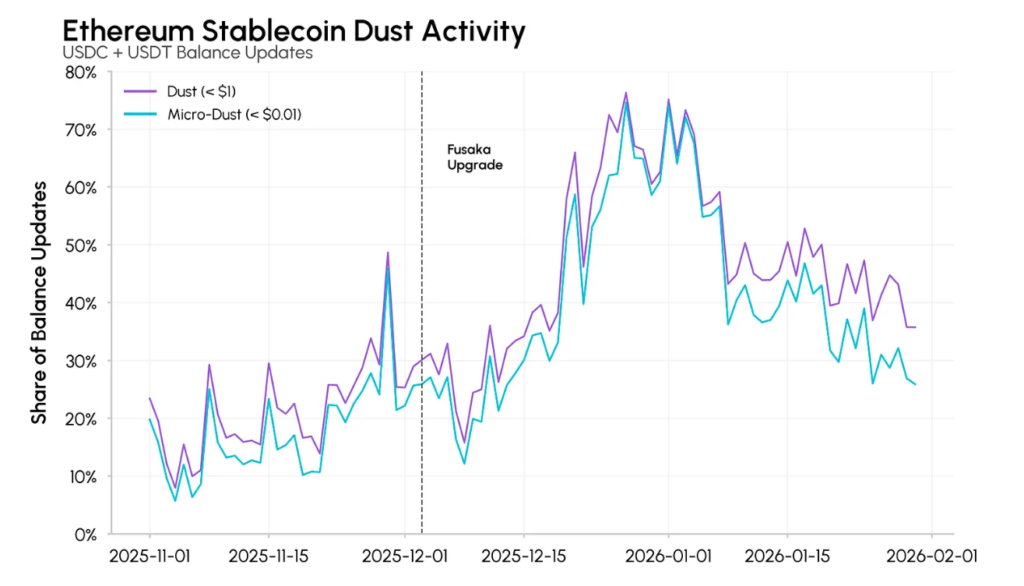
Causes of Increased Dust Transactions
To take into account, most of these dust transactions on Ethereum do not represent genuine economic activity; instead, they are mostly used by hackers to “poison” the addresses of unsuspecting crypto users.
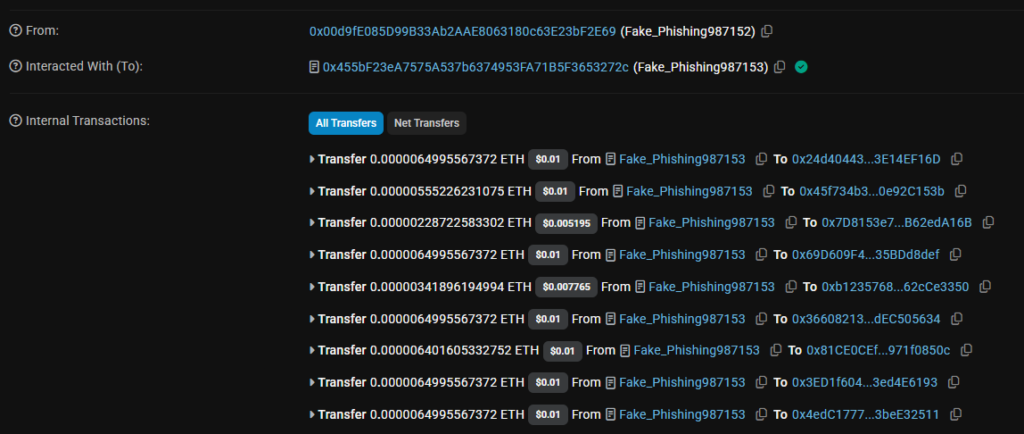
These attacks send extremely small amounts (often less than a cent) of USDC or USDT from wallet addresses designed to look similar to the victim’s addresses. The attacker uses this technique to contaminate the transaction history of the victim and confuse them into accidentally copying the scammer’s address when sending a future, legitimate payment. The cost to trigger millions of these address poisoning scams (activity also known as ‘spoofing’) has virtually disappeared due to the lower gas fees after the Fusaka upgrade, leading to the observed surge.
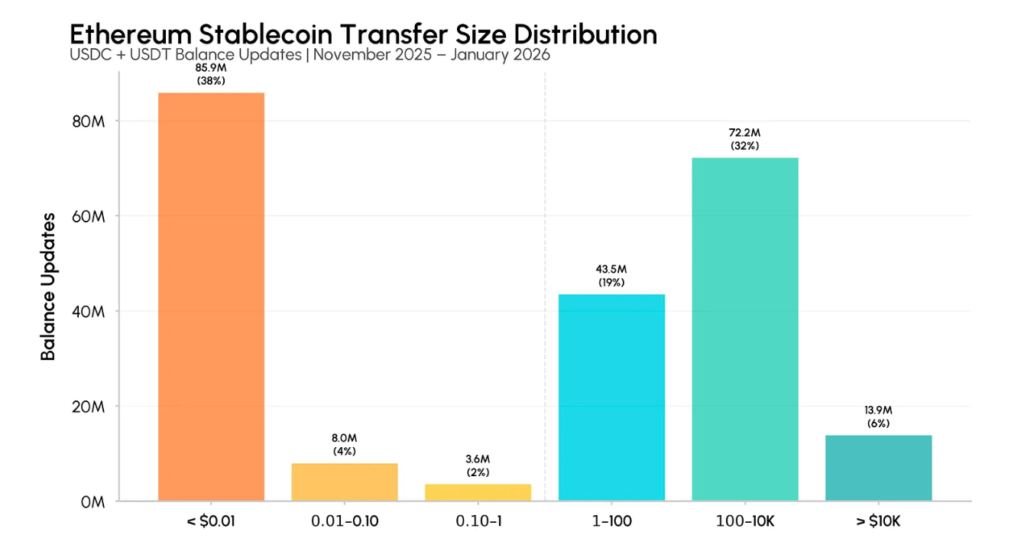
The Impact on Ethereum’s Network Metrics
This artificial activity is tilting key on-chain metrics. The number of daily active Ethereum addresses has grown by over 60%, but approximately 250,000 to 350,000 addresses generated every day are due to low-value transactions or “dust” activity. Therefore, part of the overall reported growth comes from an increased number of poisoned or non-economically active wallets in the daily active wallet numbers.
Nevertheless, the majority of stablecoin balance updates still involve transfers over USD 1, evidencing real use on the main Ethereum network despite the large volume of daily active wallets being attributed to spam.


