




Key Takeaways
- AI regulations: Congress has blocked efforts to insert a federal preemption clause into the National Defense Authorization Act (NDAA).
- The move preserves the rights of states to create and enforce their own regulations for AI.
- This is the second major setback this year for tech giants lobbying for a single, uniform national AI law.
Table of Contents
U.S. Tech Policy Has Alzheimer’s, But United States-Led Corporate Governance is “Winning”?
Congressional negotiators on Thursday rejected efforts from the White House and the technology industry to create a federal preemption of state AI regulations by including a provision in the annual defense spending bill.
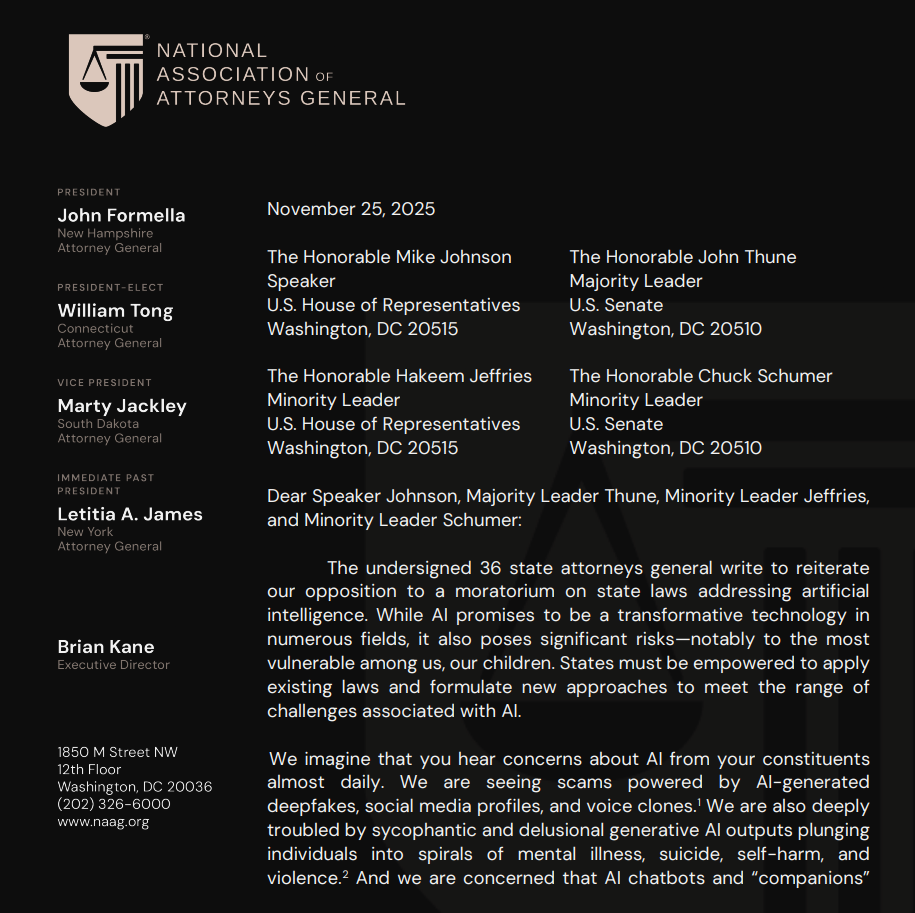
The provision was justified by claiming that a “patchwork” approach to AI legislation would hinder innovation and development of technology businesses. However, numerous members of Congress from both sides of the aisle, as well as a coalition of 36 state attorneys general, argued that states must assist in developing/implementing AI regulations, and that states can provide a laboratory of innovation as needed until a comprehensive federal AI regulatory scheme is established.
Read also: FDIC Prepares First Wave of New Genius Act Rules for Stablecoins
A Violation of Privacy or a Life-Saving Technology? The Debate About AI Legislation Will Continue
The ongoing debate about AI regulations has highlighted the very different philosophies regarding how emerging/historical technologies should be regulated. On one hand, both the technology industry and some government officials argue for the creation of a light regulatory oversight structure that would allow U.S. businesses to compete with other nations, especially China, for global markets.
In contrast, a bipartisan coalition of state officials and members of Congress has argued that AI regulations must be flexible to respond to localized market conditions. Therefore, states may be able to respond effectively to problems associated with AI technologies than would be possible at the federal level (e.g., AI-generated video; privacy violations caused by AI; potential harm caused to children by AI chatbots).
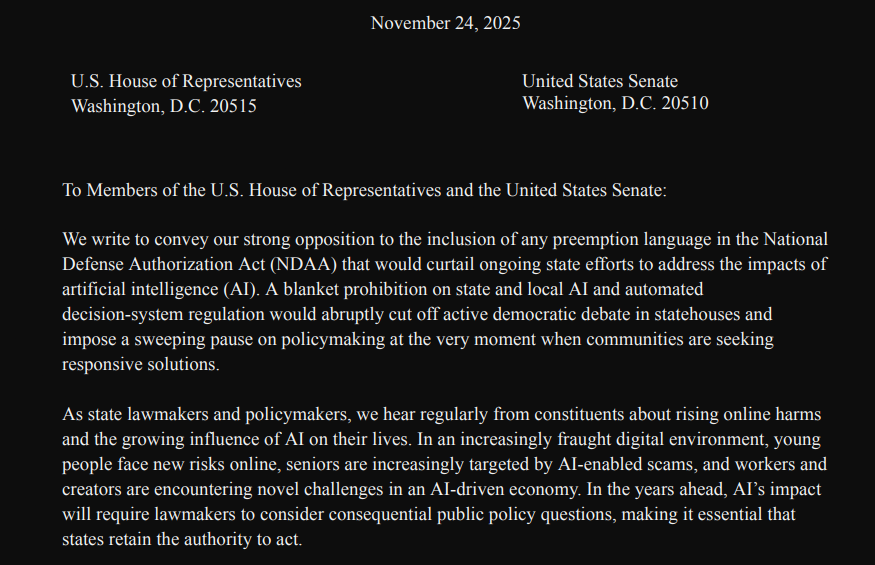
To this point, the removal of the clause from the National Defense Authorization Act (NDAA) signals that, for now, the push for localized AI regulations has prevailed.
Read also: Americans to Pay Taxes in Bitcoin Under New Congressional Proposal
AI Regulatory Framework – Next Steps
The way forward for regulating AI does not stop here. However, it shifts control from the federal government back to Congress, creating an appropriate AI framework that will enhance state laws, rather than supersede them.
States like California and New York will continue to move forward with their own elaborate AI regulations, ensuring that the legal landscape of AI in the United States will be an ever-evolving and highly debated phenomenon.
FAQs
What was the AI regulations provision that was blocked?
A proposed measure in the National Defense Authorization Act (NDAA) would have prevented states from enacting or enforcing their own laws regulating artificial intelligence, instead creating a federal standard.
Who was against this federal preemption?
A broad, bipartisan coalition opposed it, including many state attorneys general, Republican lawmakers concerned about states’ rights, and Democratic senators who argued it would give “Big Tech a multi-year holiday from state oversight.“
Does this mean there will be no federal AI law?
No. The debate over a federal AI framework continues. This decision simply prevents a blanket ban on state laws from being passed through the defense bill. Congress may still work on separate, comprehensive AI legislation in the future.
For more AI-related stories, read: Agentic Fund of Funds Launches: AI Agents Now Manage DeFi Strategies with 21% APY Average

