




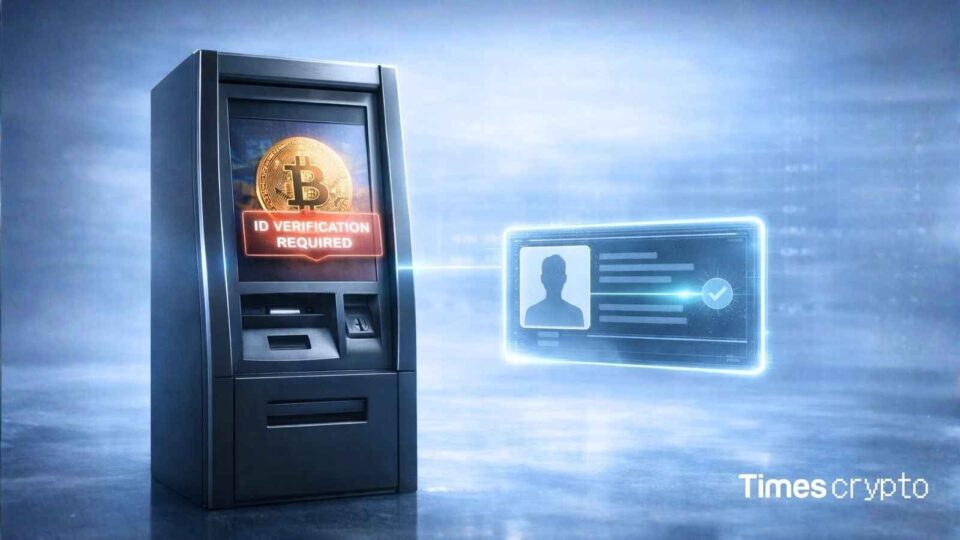
Bitcoin Depot has announced that all customers will now have to identify themselves when using the kiosks in the U.S. This represents a major way in which the Bitcoin Automated Teller Machine (ATM) firm is increasing compliance with regulations. The phased rollout of this rule is the first of its type in the industry, as the Nasdaq-listed business (ticker: BTM) will now require customers to provide per-transaction ID verification.
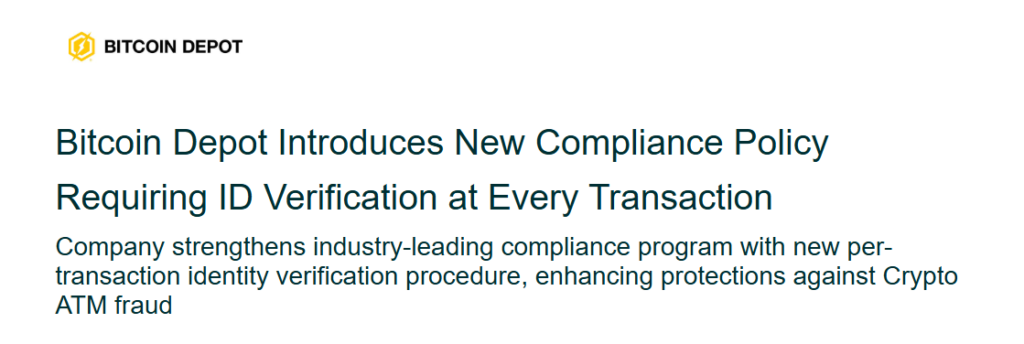
Why Bitcoin Depot Is Tightening ID Verification Rules
CEO Scott Buchanan spoke about how this change is aimed at preventing fraud, stating that “Continuous verification allows us to detect suspicious activity based on customers, locations, or transaction amount before approval.”
The policy comes at a time of increasing inspections from lawmakers; Massachusetts has recently filed a lawsuit against Bitcoin Depot for allegedly enabling scams. Moreover, the business has reached an agreement to pay USD 1.9 million to settle the lawsuit it faced with the state of Maine over similar issues, and is currently facing another lawsuit from the state of Iowa. According to recent FBI data, USD 333 million in 2025 ATM-related losses have spurred 14 states to enact specific crypto ATM laws.
A New ATM Compliance Standard
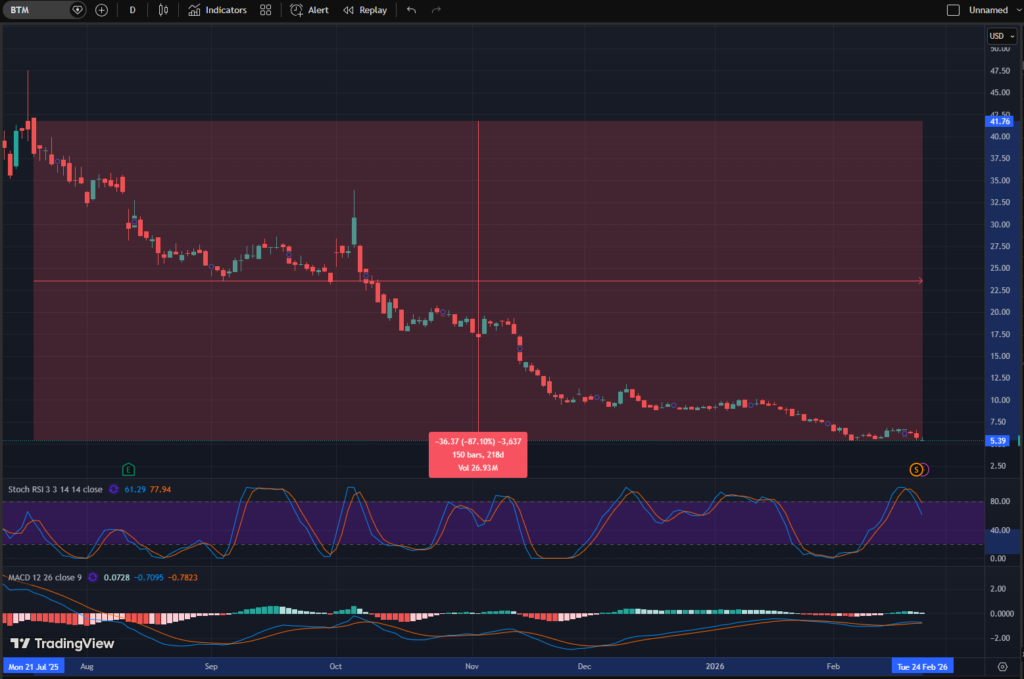
Bitcoin Depot’s updated ID verification procedure represents an industry-wide realignment and aims to combat identity fraud and account sharing. The company’s latest policy change, with its network of over 9,000 locations and a dominant North American market share, and its 86% stock drop in six months due to a poor regulatory environment and market constraints, will likely pressure competition.
What’s with the Bitcoin (BTC) Price…
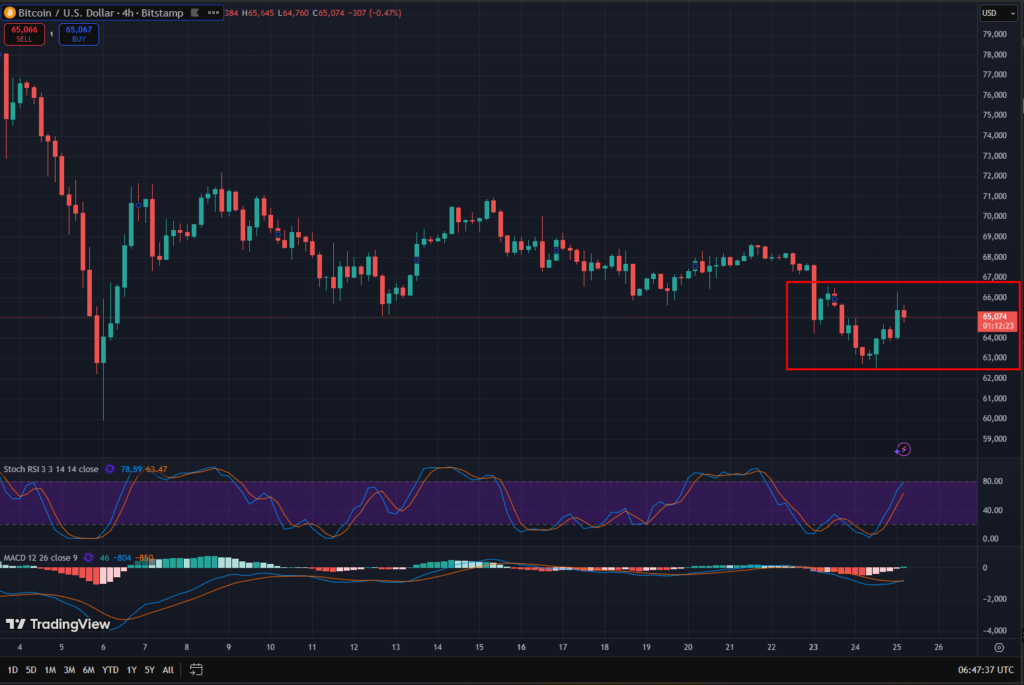
As for the Bitcoin (BTC) price in the last 24 hours, it gained around 4% after Trump’s State of the Union speech, in which nothing much happened. He just bragged about the overall stock market gains, but said little about tariffs and global trade policy, leaving Wall Street on the edge. BTC is now ranging between USD 66,000 and USD 64,000 (USD 65,000 at the time of writing). Going lower might be a matter of time in tense geopolitics and reactive markets.


