




Key Takeaways
- Bolivia crypto integration plan was announced this week, authorizing banks to offer crypto services.
- The move aims to combat 22% inflation and dollar shortages, with businesses already adopting USDT.
- This financial modernization is part of a larger $9 billion multilateral loan package to spur economic recovery.
Table of Contents
The Start of a New Financial Era
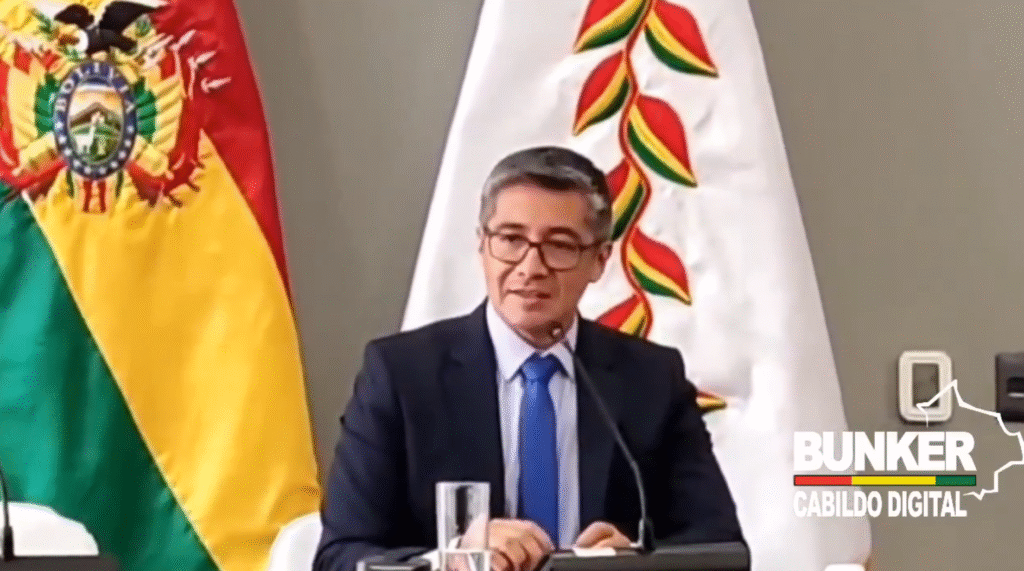
The government’s announcement of Bolivia crypto integration is pushing for the creation of a comprehensive plan to integrate digital assets into the country’s financial system, which is a major change. Economy Minister Jose Gabriel Espinoza stated that banks can now hold cryptocurrencies, allowing individuals to store their crypto in savings accounts, use crypto for credit products, and receive loans based on crypto collateral.
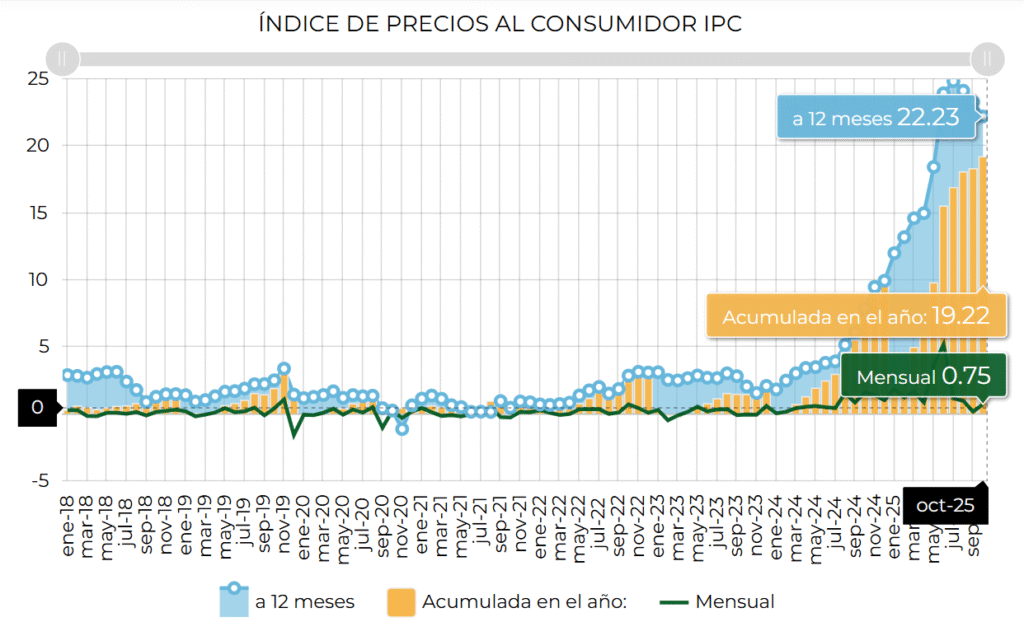
Bolivia had previously banned the use of cryptocurrency, but the recent financial crisis and continued inflation in the country have forced it to reverse this decision. As a result of the current economic situation, Bolivia is experiencing high inflation, nearly 22% and a shortage of U.S. dollars.
Read also: Toyota, Yamaha, and BYD Now Accept USDT in Bolivia Amid Dollar Crisis
Stablecoins as a Lifeline
The Bolivian population is already utilizing crypto, providing significant real-world benefits and solutions to the country’s economic crisis. Many companies, such as Toyota and Yamaha, are already accepting Tether’s USDT as payment due to the scarcity of U.S. dollars. This real-world use of crypto supports the government’s belief, as Espinoza stated, “You can’t control crypto on a global scale, so you must acknowledge it and capitalize on it.”
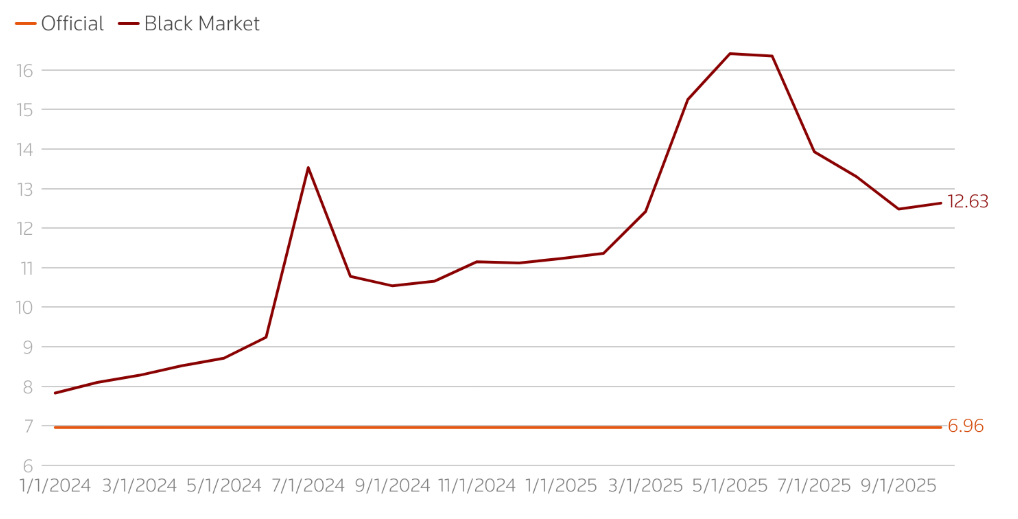
The official Bolivia crypto integration policy legitimizes these existing practices and aims to expand financial inclusion for the population.
Read also: Peru Presidential Elections 2026 to Pioneer Blockchain Voting with Syscoin
Building a Bridge to Economic Stability
The Bolivia crypto integration represents an important piece of a broader economic stabilization strategy that involves negotiations for approximately $9 billion in multi-lateral loans. By adopting Digital Assets into its financial systems, the Bolivian Government is demonstrating its strong commitment to modernizing its Financial System and providing an attractive environment for Foreign Investment.
Bolivia has positioned itself to utilize crypto as more than just a speculative instrument; it will be used as a practical tool to promote both economic resilience and economic growth in the Digital Age.
FAQs
What does Bolivia crypto integration mean for citizens?
This means Bolivians will soon be able to use regulated crypto services through their banks, including holding digital assets, like stablecoins in savings accounts and using them as collateral for loans, providing a hedge against local currency inflation.
Why is Bolivia doing this now?
The country is facing a severe economic crisis with high inflation and a shortage of U.S. dollars. Stablecoins like USDT offer a viable alternative for businesses and individuals to preserve value and conduct transactions.
Which cryptocurrencies are included?
While the policy opens the door broadly, the initial focus is on stablecoins, with Tether’s USDT already being widely used by major corporations within the country for payments.
For more regulation-related stories, read: Blockrise Secures Coveted MiCA License, Pioneering Regulated Bitcoin Finance in the EU

