





The first digital asset platform to attain AI Security Certification is Crypto.com, which received an ISO/IEC 42001:2023 certification. The standard defines what is needed of organizations for them to be able to develop, implement, and improve Artificial Intelligence Management Systems (AIMS).
What the AI Security Certification Means for Crypto.com
This ISO/IEC 42001:2023 AI Security Certification enables Crypto to manage AI deployment more efficiently and consistently by addressing the associated risks around ethics, transparency, accountability, and other areas of concern. By achieving this certification, the crypto exchange now has another essential layer of governance associated with developing leading edge solutions as they scale their AI capabilities.
Jason Lau, Chief Information Security Officer (CISO), stated that they are “continuing to put a focus on security and privacy for the ongoing development of AI as it is being developed within our environment.” By getting this certification, Crypto.com has shown that it is committed to ensuring all AI solutions it develops and deploys in a manner that is “secure, transparent, and will meet the requirements of future regulatory expectations.”
What The Crypto Industry Needs to Know
At a time when many financial institutions are utilizing machine learning and artificial intelligence in their services, Crypto.com’s newly launched AI Security Certification is setting a major step forward in active risk management for the digital asset ecosystem. Additionally, it complements Crypto.com’s full suite of security certifications, which now includes ISO 27001 (Information Security), ISO 27701 (Privacy), ISO 22301 (Business Continuity), and Tier 4 ratings for the National Institute of Standards and Technology (NIST) Cybersecurity and Privacy Frameworks (CPFs).
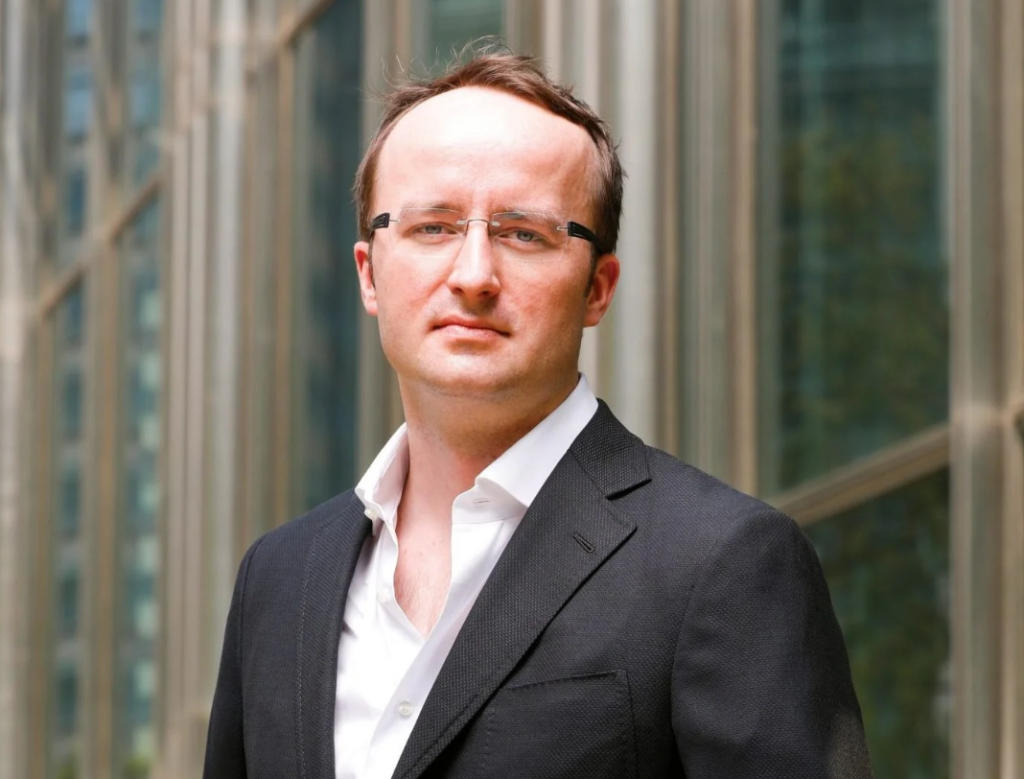
CEO Kris Marszalek stated that “with the issuance of this certification, we have continued to move toward establishing ourselves as a secure environment for our customers to conduct transactions using machine learning and AI applications.”


