




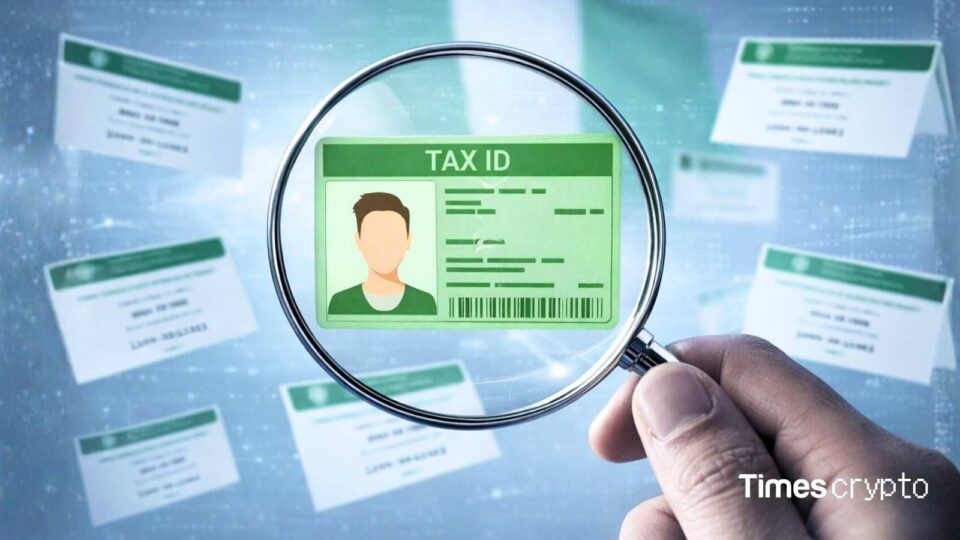
Nigeria crypto related rules are setting an extensive blockchain monitoring system by linking all crypto transactions to citizens’ National Tax IDs. The new rules, which are effective under the 2025 Tax Act and in line with global standards as of January 2026, require all crypto exchanges to collect and report information regarding their customers, thereby bringing Nigeria’s rapidly expanding crypto sector into a formal taxation environment.

How Nigeria Crypto Monitoring System Works
The system represents a major transition from an informal to a formal monitoring process. All registered Virtual Assets Service Providers (VASPs) in the Nigeria crypto landscape must request and acquire the Tax Identification Number (TIN) of each user, and if applicable, the biometric National Identification Number (NIN).
All information collected from users, along with the transaction data (asset type, value, and dates), will be combined and reported to the relevant tax authorities.
As a result of these new implementations, the Nigerian government will be able to trace individuals’ crypto transactions directly back to filed tax returns, as opposed to relying solely on blockchain analysis for these matters. To this point, crypto exchanges that do not comply with these new regulations will be subject to fines of up to ₦10 million and potential license suspension.

The End of Crypto Anonymity in Nigeria
The African continent as a whole could benefit from the precedent set in the Nigeria crypto space. This policy will allow for more extensive taxation in the digital assets market.
Considering there is over $92.1 billion in crypto volume transacted annually, this also provides an opportunity for tax revenue generation for the government as it seeks to diversify its economy beyond crude oil production. More importantly, implementing the Crypto-Asset Reporting Framework (CARF) in the country connects its crypto market to the Global Transparency Network created by the Organisation for Economic Co-operation and Development (OECD), which allows for an automated exchange of crypto-related taxation data among over 70 jurisdictions worldwide by 2027/2028. This data collection could greatly help to minimize the ability for tax arbitrage and capital flight.
For the end users, this could mean less anonymity, but it may also drive institutional investors’ confidence and market legitimacy, combining oversight with continued accessibility.

