




For the first time in history, South Korea approves tokenized securities framework. The National Assembly of South Korea enacted significant changes regarding the definition of “token securities” to create a regulated blockchain-based market for capital.

What the New Tokenized Securities Framework Actually Allows
The laws and regulations for tokenized securities will be effective one year after being published (around January 2027). The new framework recognizes that a distributed ledger can serve as a real and acceptable way of registering securities. To this point, any type of existing traditional assets (stocks, bonds, etc.) or any new investment tied to ventures or projects that would be classified as “investment contract securities” could be traded using this new model and be issued as token securities.
With the update to the Capital Markets Act, the law now allows licensed brokers of securities to operate in the investment contract space rather than be limited to only direct offerings, which often expose investors to higher levels of risk. As a result, now these new contracts will be governed by the same legal protections as all other investments, legitimizing a whole new asset class.
A Strategic Masterstroke for Korea’s Financial Future
South Korea approves tokenized securities framework at the perfect time to take advantage of these assets and not be left behind in the race. By developing a strategy to modernize its capital markets and to become a leader in the digital asset space, South Korea will create a climate of legal clarity that will facilitate domestic investment by large financial institutions and technology companies. This legal structure also has the potential to develop the use of smart contracts for automating key operational processes (e.g., profit-sharing) related to complex securities.
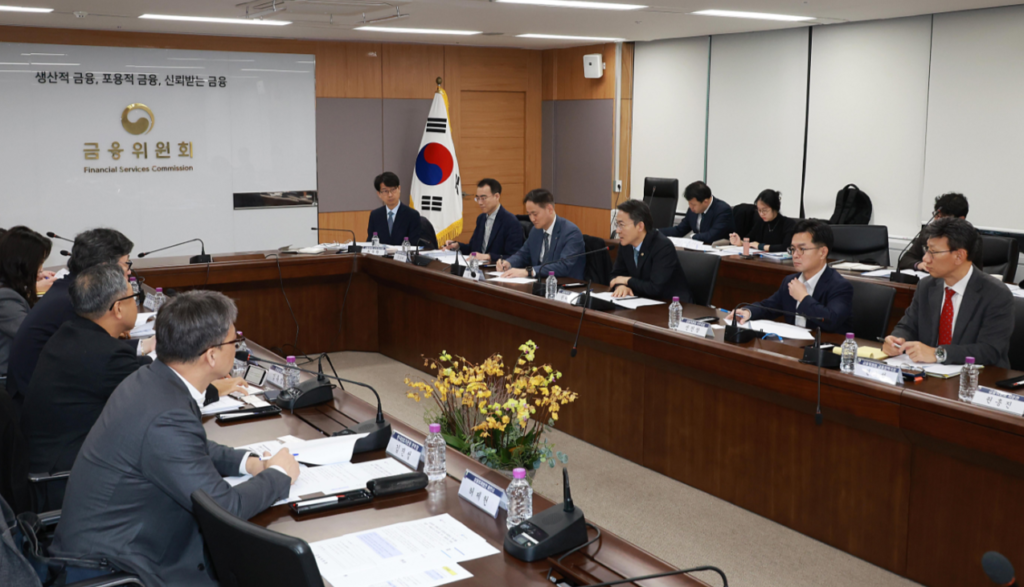
Furthermore, the development of the Token Securities Council (comprising representatives of the Financial Supervisory Commission (FSC), Financial Supervisory Service, depositories, and the private sector) will help to ensure an efficient transition into these new types of securities for the entire market. As a result, South Korea will not only be an important centre for crypto trading, but will also create an environment that enables the institutional-grade tokenization of Real World Assets (RWA), thus attracting large amounts of capital globally.

