





The Bank Policy Institute (BPI), a trade group representing 40 of the largest U.S. banks, is exploring potential litigation against the Office of the Comptroller of the Currency (OCC) over the agency’s efforts to issue national trust bank charters to crypto and fintech companies. The potential lawsuit follows the OCC’s approval of charters for multiple crypto-native firms, including Trump-backed World Liberty Financial’s January application.
Why U.S. Banks Are Challenging the OCC
One of the reasons that U.S. banks are pushing back on the OCC’s actions is that its easing of restrictions on how crypto-related companies have access to Federal Trust Charters has allowed those firms to gain nationwide access to the banking system without all of the regulatory requirements that traditional banks must follow (crypto banking rules).
In a statement made by the BPI in October, it warned that “allowing firms to choose a lighter regulatory touch while offering bank-like products could blur the statutory boundary of what it means to be a ‘bank,’ heighten systemic risk and undermine the credibility of the national banking charter itself.”
State regulators and smaller community banks have opposed this type of policy change as well. The Conference of State Bank Supervisors (CSBS) said that because of this potential change, “undermining competition, consumer protection and financial stability,” while the Independent Community Bankers of America (ICBA) called the proposed change “a significant loophole in a basic principle of bank regulation.”
Political Context
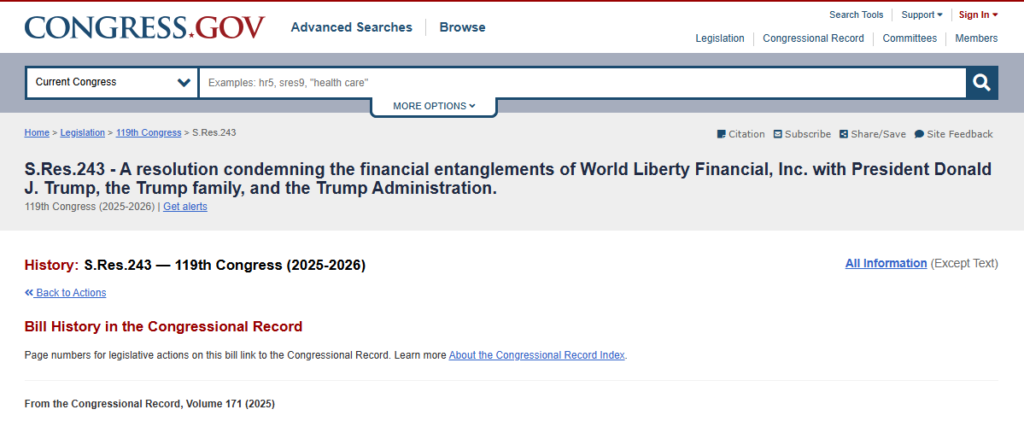
In January, World Liberty Financial, a cryptocurrency company owned by President Trump’s family, submitted an application to create USD1 “stablecoin” and received scrutiny from Congress. House Democrats have pressed Treasury Secretary Scott Bessent for confirmation that Congress will not influence the OCC’s review of the Charter Application process.
Next Steps
The BPI has not made any final decision about filing litigation against this type of regulatory modification; however, they have filed lawsuits against federal regulators before (the most recent suit against the Federal Reserve over stress tests in late 2024), and the Fed eventually agreed to revise its rules in response.


