




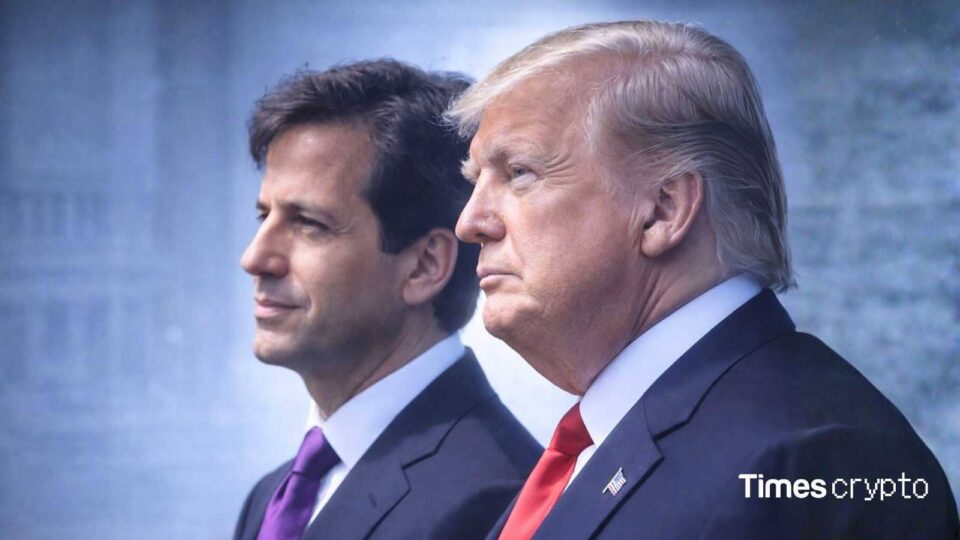
The Federal Reserve’s leadership and its independence are facing a new test, as President Donald Trump is expected to nominate former Fed Governor Kevin Warsh to replace Jerome Powell as chair as soon as Friday.
According to a Reuters report, Trump said late on Thursday that he had settled on a candidate to lead the U.S. central bank and would reveal the choice the next morning. He hinted the person had served at the Fed before and said he expected it to be “a very good choice,” without naming Warsh.
White House Moves on Chair Choice After Months of Tension With Powell
Trump’s evolving shortlist for the Fed job reflects how his expectations have changed. He once bypassed Warsh and chose Powell, only to regret his choice when the central bank did not cut rates as quickly as he wanted. Trump has now made it clear he is looking for a chair willing to drive borrowing costs lower, a position Warsh has endorsed by calling for more forceful rate reductions.
The expected nomination comes amid an unusually confrontational stance by the administration toward the Fed, with the White House backing an effort to remove Fed Governor Lisa Cook in a case now before the Supreme Court and the Justice Department opening an investigation that Powell has described as part of a broader attempt to intimidate the central bank.
Traditionally, presidents have kept some distance from monetary policymakers to protect the Fed’s credibility in fighting inflation. Trump’s moves, coupled with his insistence that the next chair be firmly in favor of lower rates, have heightened concern among critics that political pressure could affect future rate decisions.
Hawkish Instincts, Leaner Balance Sheet and an Open Mind on Bitcoin
Warsh, 55, is a former Morgan Stanley banker who moved into the White House as a senior economic adviser before joining the Federal Reserve Board in 2006, becoming its youngest governor and building his reputation during the 2008 financial crisis as a key link between the central bank, Wall Street, and major overseas economies.
In his previous role and in later speeches, he was often on the more hawkish side of internal debates, warning that very low interest rates and large bond-buying programs could distort markets and fuel future inflation. In recent years he has argued that the Fed has drifted from its narrow price-stability mandate, advocating for a leaner balance sheet, less reliance on quantitative easing, and a clearer separation from fiscal policy.
At the same time, Warsh has called for lower policy rates from today’s levels, saying the central bank can shrink its portfolio while still cutting borrowing costs and that stronger productivity, helped by technologies, can curb inflation without a sharp rise in unemployment.
Warsh has taken a more open stance on bitcoin than many former central bankers. In an interview with Peter Robinson last year, he said bitcoin “does not make [him] nervous” and described it as a useful asset that can show when policymakers are getting things right or wrong, while stressing it is not a replacement for the dollar.
He argues that interest in crypto has grown out of the 2008 crisis, the COVID-19 shock, and more than a decade of heavy borrowing and easy money, which have left some investors and entrepreneurs less confident in the traditional monetary system and more willing to hold Bitcoin.
What Warsh at Fed Could Mean for Liquidity and Risk Assets
If Warsh is appointed, investors could face a Fed that cuts policy rates while moving more quickly to shrink its balance sheet, a shift that would mean lower interest rates but tighter overall liquidity. Markets may also see more weight given to productivity and technology gains when judging inflation, making the Fed more willing to let growth run so long as prices stay contained. For crypto and other risk assets, that would translate into less direct pushback against bitcoin itself but a tougher market environment if liquidity is pulled out of the system.

