




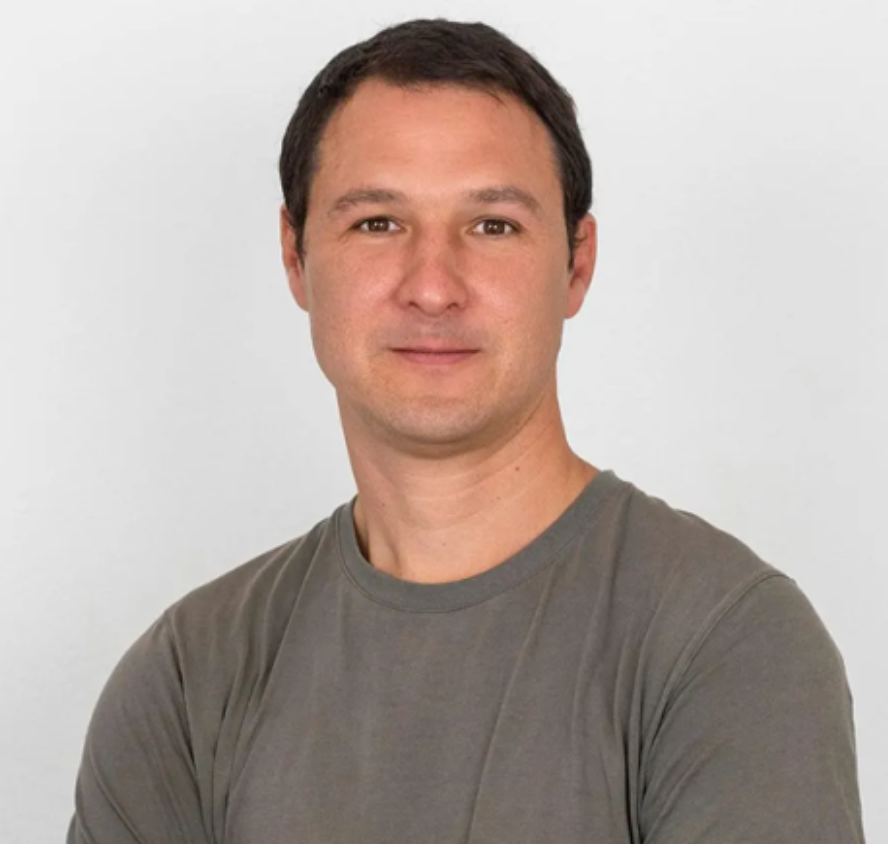
Jed McCaleb is a crypto billionaire who co-founded Ripple and Stellar Development Foundation. He has decided to invest USD 1 billion from his crypto wealth in a long shot bet that could change how the brain learns: reverse engineering the way the brain learns to then use those rules to develop Artificial General Intelligence (AGI). The neuro-inspired AGI effort, housed within his nonprofit Astera Institute, aims to break from the current dominant transformer standard that powers ChatGPT and similar models.
Why is He Betting on This Neuro-Inspired AGI Effort?
“Most effort and research… is going in one particular area,” commented McCaleb in reference to transformers, and for instance, “[AI] would benefit by looking closer at the human brain,” he added. Dileep George is leading this neuro-inspired AGI effort. He was co-founder of Vicarious AI and Numenta (an AI company founded on principles derived from neuroscience) before joining DeepMind. Dileep and his team plan to grow to 30 researchers this year and work collaboratively with neuroscientists studying both mice and monkeys to establish a “feedback loop” in which findings from brain studies will lead to the development of new AI architectures, as well as hypotheses that will be tested against actual brain studies.
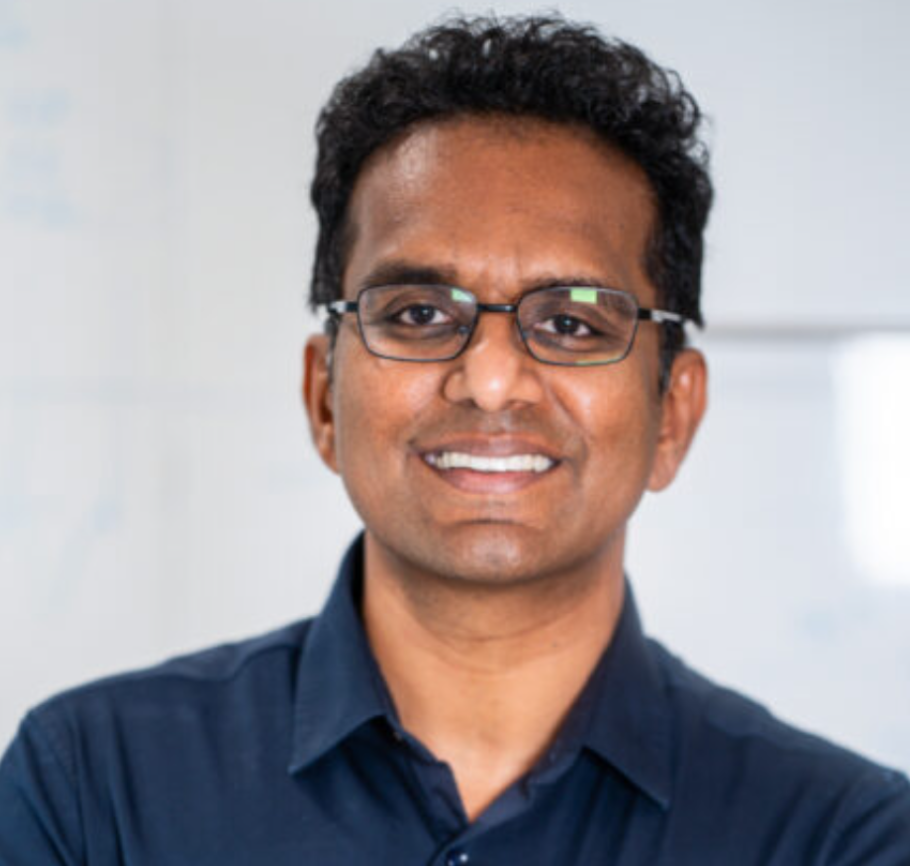
Contrasting most AI development labs that are currently moving toward commercialization, Astera’s research is primarily focused on academia, and it’s open to share its findings publicly, just like early OpenAI did before competitive pressures drove them to secrecy. The lab’s research will include developing capabilities for AI systems that are needed but are currently unavailable in other AI environments, such as: Data-efficient learning, continual soft learning (learning from experience), causal reasoning, episodic memory, and the ability to create mental simulations of other possible worlds. To develop these processes, they will study the role of cortical columns, feedback loops, local synaptic plasticity, and the impact of the hippocampus on both memory formation and potential future planning, and will use each of these biological mechanisms to translate them into code.
George argues that philanthropy-backed models are essential for this type of foundational work. “Startups have to worry about the next fundraise and the next demo that will drive the fundraise, and that’s a distraction,” he said. “A philanthropy-supported approach is better at this time because there are core research problems to be solved.”
To this point, McCaleb presents a scathing review of the state of AI. Though transformers are capable of good, accurate prediction, they do not display any intrinsic motivation, thus they currently lack many of the elements used by humans when making decisions and planning. Instead, he proposes a new “brain-inspired” architecture, suggesting it could be safer and more transparent. “You might have a much clearer and better chance to understand how an AI system operates similarly to the human brain; there’s a better chance we can understand it… rather than being this kind of abstract mathematical thing that ends up being very alien,” he explained.
Why It Is Important
Most of the AI industry has been counting on the premise that labs can eventually create AGI by continuing to scale transformer models. Jed McCaleb and Ryan George have placed a bet against that assumption and believe that the next significant technological development in AI will emerge from unlocking the fundamental algorithmic principles governing how the brain processes information. Their method of open science, neuroscience integration, and creating a decade-long funding model is a purposeful alternative to the commercial AI labs’ secretive and short-term-oriented approach.
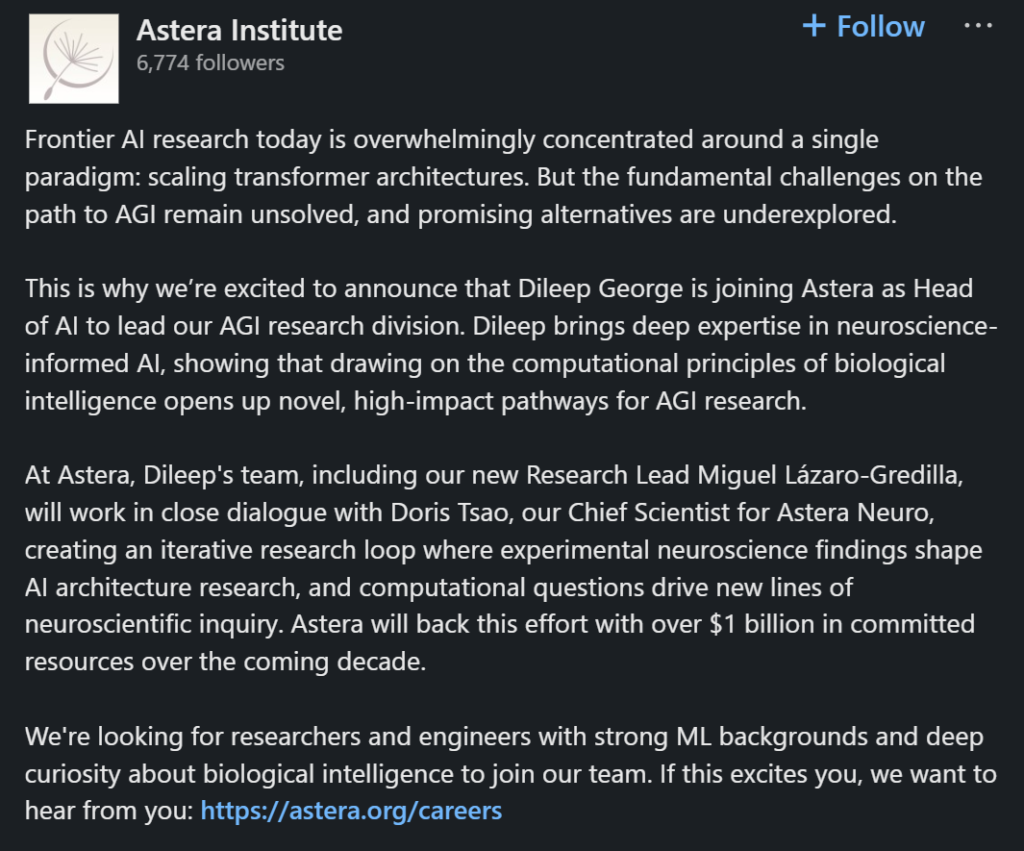
The neuro-inspired AGI effort is now part of a growing list of well funded, non-commercial AI research ventures, including Ilya Sutskever’s Safe Superintelligence Inc. (SSI Inc.) and Jeff Bezos’ Project Prometheus. But here’s the twist: Astera, contrasting those projects, has an explicit two-way connection to experimental neuroscience, which counts with its sister lab Astera Neuro, led by Research Professor Doris Tsao of UC Berkeley’s Doris Tsao (neurobiology division of the Department of Molecular and Cell Biology), conducting/performing real time brain recordings to test and refine theories.


