




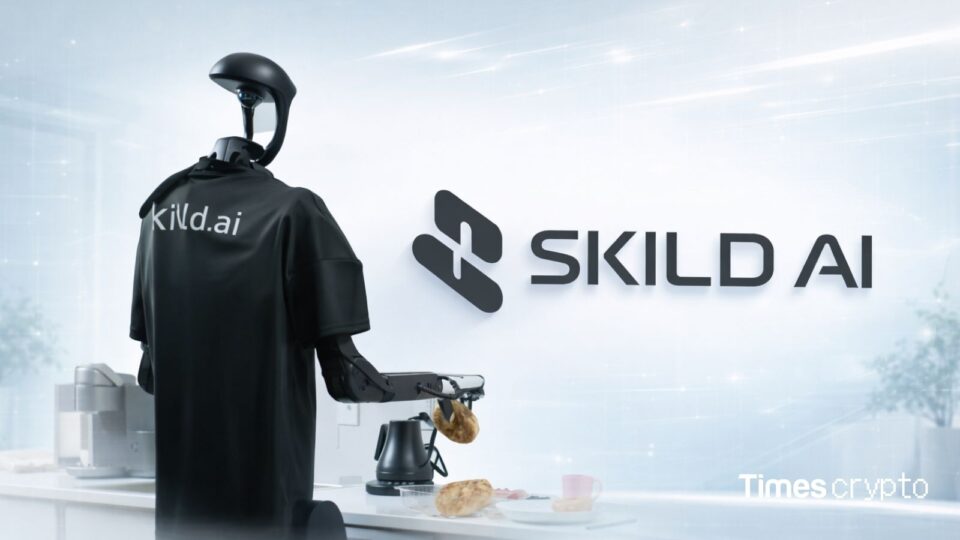
Not only has robotics startup Skild AI raised huge amounts of capital but they also received validation from investors, injecting $1.4 billion. This funding, led by SoftBank, was used to create what will soon become the largest robotics company in the world based on market valuation ($14 billion), and therefore, Skild will be able to continue with the company’s ambitious goal of developing a single, omni-bodied AI foundation model to power robots of all kinds.
The Ambitious Vision Behind the Skild Brain
The “Skild Brain” is designed to be hardware-agnostic to brand or model and will enable every type of robot (from common humanoid household robots to quadruped delivery drones to industrial assembly arms) to learn and operate autonomously using only training video from the internet and large market simulated data.
The Skild Brain employs the revolutionary usage of “in-context learning,” using a combination of internet videos, massive-scale simulations, and real-world teleoperation data, allowing for the robots to learn and adapt in real-time based on failures, damage, and changing environments, being recognized at the highest levels of academia for its innovative approach.
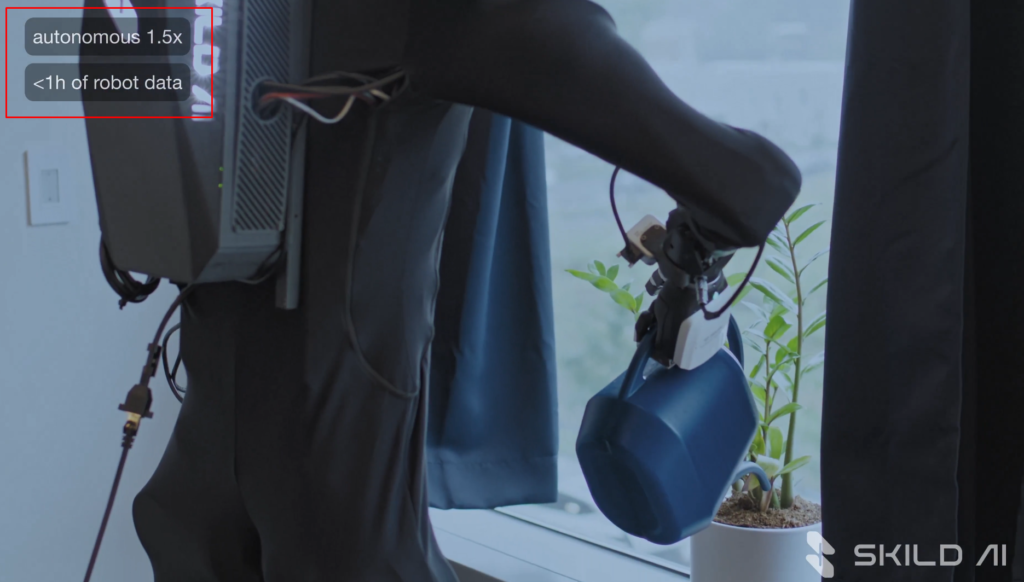
This Funding Signals a New Chapter for Physical AI
Funding of the size and scope of this round, with participants including SoftBank Group, NVentures (NVIDIA), and Jeff Bezos (Amazon), indicates that “Physical AI” (air mobility, robotics, etc.) has moved from being a research-only area into a very significant business opportunity.
Skild AI is not just an idea; instead, it is now generating income on the order of $30 million in gross revenue, and massively scaling in the last few months due to the rapid deployment and use of AI technology in security, logistics, and manufacturing.
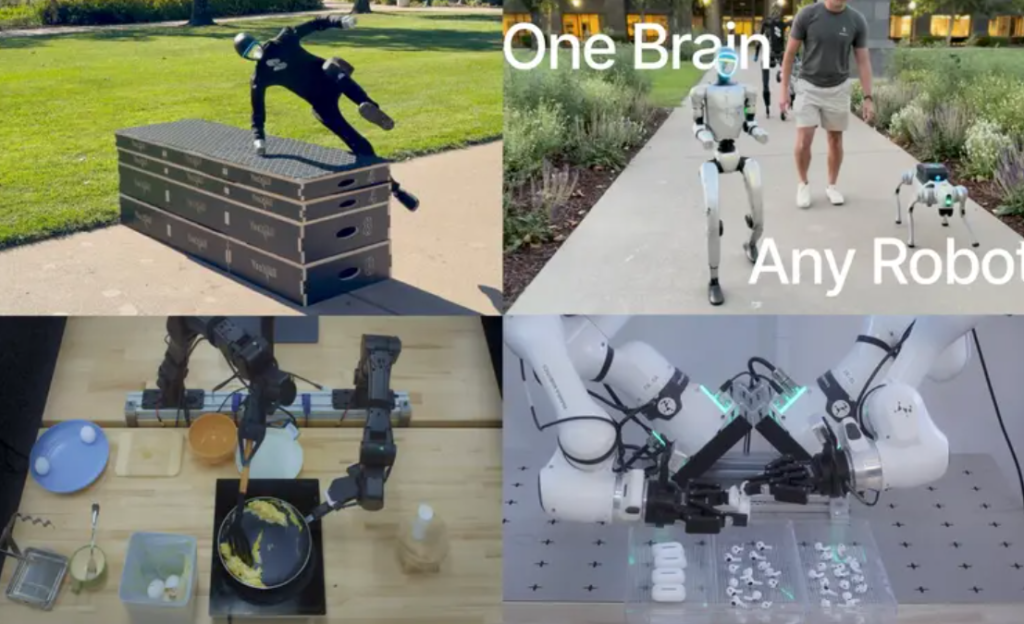
Money is coming from industrial giants, including Samsung, LG, and Schneider Electric, indicating that the global supply chains and factories are preparing to begin their own inegration, and not only providing robots/manufacture solutions to build human-like machines smarter, but also a data “flywheel” is being created, where every robot deployed makes the core AI smarter, and thus enabling more versatile automated solutions that can drive economic changes.


