





Key Takeaways
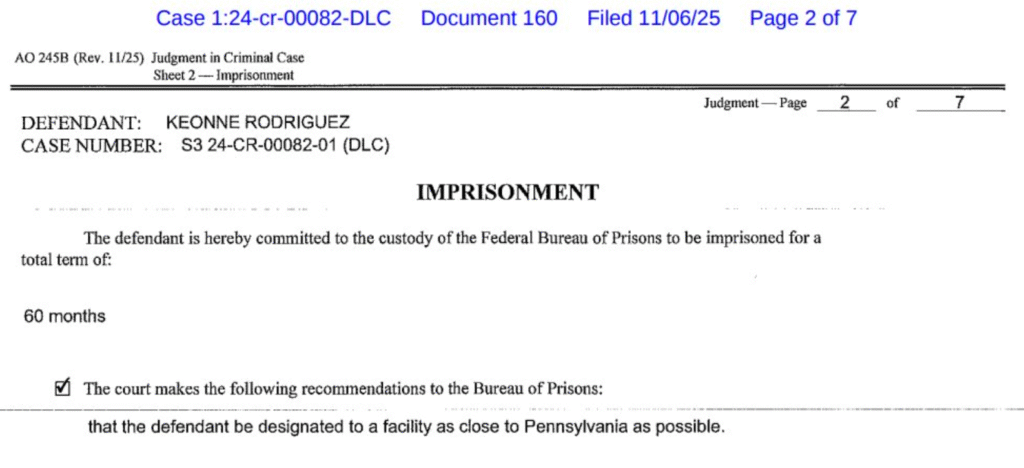
- Samourai Wallet CEO Keonne Rodriguez sentenced to five years for unlicensed money transmission.
- The service allegedly processed over $2 billion, including $237 million in illicit funds.
- Case represents broader crackdown on cryptocurrency mixing services following Tornado Cash conviction.
Table of Contents
Maximum Sentence for Crypto Mixing Service Founder
Samourai Wallet CEO Keonne Rodriguez has received a five-year prison sentence, the statutory maximum penalty for his offense of operating an unlicensed money-transmitting business in violation of 18 U.S. Code § 1960 (Prohibition of unlicensed money transmitting businesses code).

U.S. District Judge Denise Cote issued a strong rebuke, mentioning Rodriguez used his “considerable talents to make it harder to recoup stolen funds” from victims of various crimes. Rodriguez’s sentence represents a further hardening of regulatory enforcement against crypto privacy tools.
Read also: Thodex Founder Found Dead in Prison While Serving 11,196-Year Sentence
Case Timeline and Key Developments
The legal case against Samourai Wallet occurred through several critical stages:
- 2015: Samourai Wallet launched as privacy-focused Bitcoin wallet
- 2017-2019: Introduced Ricochet and Whirlpool mixing features
- April 2024: Rodriguez and CTO William Hill arrested
- July 2025: Both founders plead guilty to reduced charges
- November 2025: Rodriguez receives maximum five-year sentence
Read also: Ontario Kidnapper Gets 13 Years for $1M Bitcoin Ransom Plot
From Privacy Tool to Criminal Enterprise
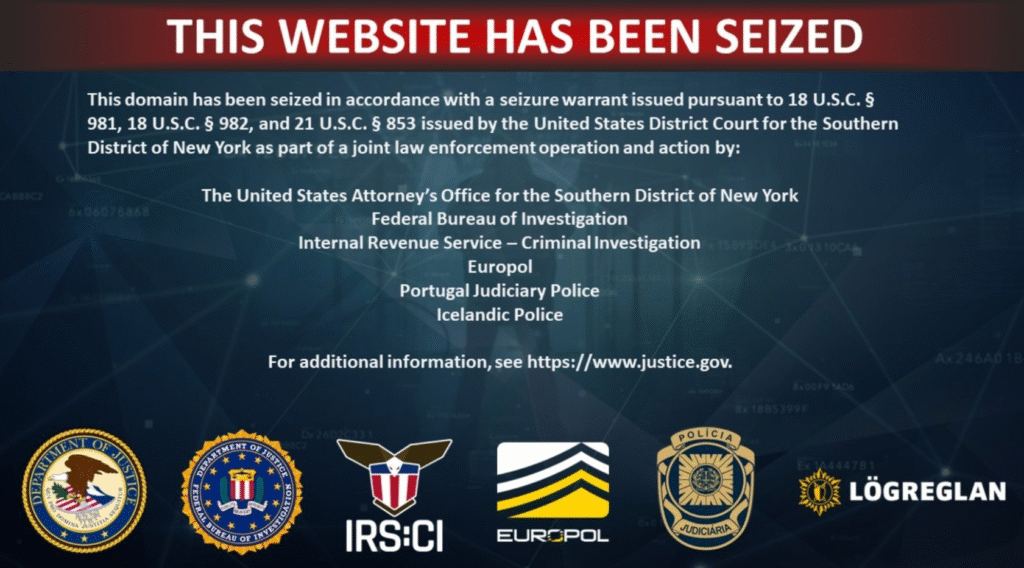
Prosecutors stated that the Samourai Wallet CEO and his partner actively sought users of their service for criminal purposes, and Rodriguez in particular described Samourai’s services in private messages as “money laundering for bitcoin.” Their Whirlpool and Ricochet features processed over 80,000 Bitcoin worth over $2 billion, and generated $6 million in fees. There is evidence that the founders engaged in advertising the service in dark web forums to users looking to “clean dirty BTC.”
Read also: Crypto Kidnapping: Indian Court Hands Life Terms to 14 in Landmark Trial
A Warning to Privacy-Focused Developers
The severe sentencing of the Samourai Wallet CEO sends an unambiguous message to developers of financial privacy tools. Although there are arguments that Samourai provided legitimate privacy protection for routine users, the court highlighted that knowingly assisting others’ unlawful activity has significant consequences. The Samourai case sets precedent that developers cannot be absolved of responsibility for how their tools are used, especially where they actively encourage unlawful illicit use.
FAQs
What charges did the Samourai Wallet CEO face?
The Samourai Wallet CEO was initially charged with a money laundering conspiracy with penalties of twenty years, but he pled guilty to the lesser charge of running an unlicensed money transmitting business with a maximum penalty of five years.
How did Samourai Wallet allegedly facilitate crime?
Prosecutors showed the Samourai Wallet CEO and his partner used to promote their mixing services on dark web forums and were knowingly processing funds from hacking, fraud, and other illegal activities totaling $237 million.
What does this mean for crypto privacy tools?
The Samourai Wallet CEO sentencing shows that there is greater regulatory scrutiny of privacy-enhancing technologies, but perhaps more importantly, developers can be criminally liable for a user’s crime, when they advertise for users to engage in the criminal act.
For more crypto crime stories, read: $8M Armed Crypto Kidnapping Heist: Texas Brothers Face Federal Charges


