





Key Takeaways
- Scammers impersonating police are using Australia’s ReportCyber system to target crypto holders.
- Criminals submit false reports with stolen personal data to create legitimacy.
- Australian Federal Police (AFP) confirms legitimate officers will never request crypto transfers or seed phrases.
Table of Contents
Elaborate Impersonation Scheme Targets Digital Assets
Authorities in Australia have issued an urgent warning about sophisticated scammers impersonating police officers to steal crypto from unsuspecting victims. The Australian Cyber Security Centre reports that the criminals are specifically using the national ReportCyber platform and submitting fake reports using stolen personal information to create a facade of authenticity prior to contacting victims directly.
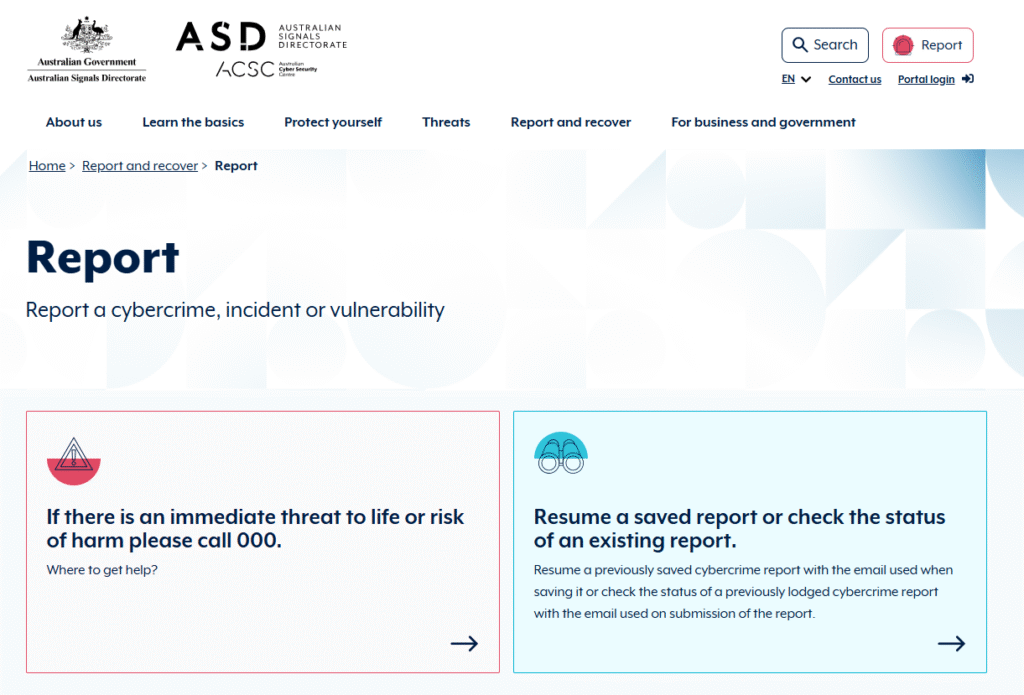
These scammers impersonating police use legitimate looking reference numbers and deadlines to pressure the targets into transferring their digital assets to fraudulent accounts.
Read also: AN0M App Sting Nets 55 New Arrests in Latest Phase of Global Crime Operation
How the Elaborate Scam Operates
These schemes incorporate multiple layers of deception, making it particularly believable. First, criminals will collate personal information, such as email addresses and phone numbers, and then submit fraudulent reports using the legitimate ReportCyber system. They then proceed to contact the victim, posing as Australian Federal Police (AFP) officers investigating cybercrimes involving crypto assets.
The scammers impersonating police provide official reference numbers and even instruct the target to visit the actual ReportCyber site to verify their report, resulting in a false sense of legitimacy prior to demanding crypto transfers to supposedly “secure” wallets.
Read also: Crypto Social Engineering Scam Costs Victim $91M in 783 Bitcoin Heist
Key Safety Tips
To help reduce the risk of becoming a victim of scammers impersonating police, law enforcement agencies recommend several critical precautions, such as:
- If you receive a phone call, immediately hang up if they identify as law enforcement and say they are calling about an unauthorized ReportCyber submission
- Never transfer crypto or share seed phrases with anyone claiming to be law enforcement
- Verify callers by contacting organizations directly through official websites
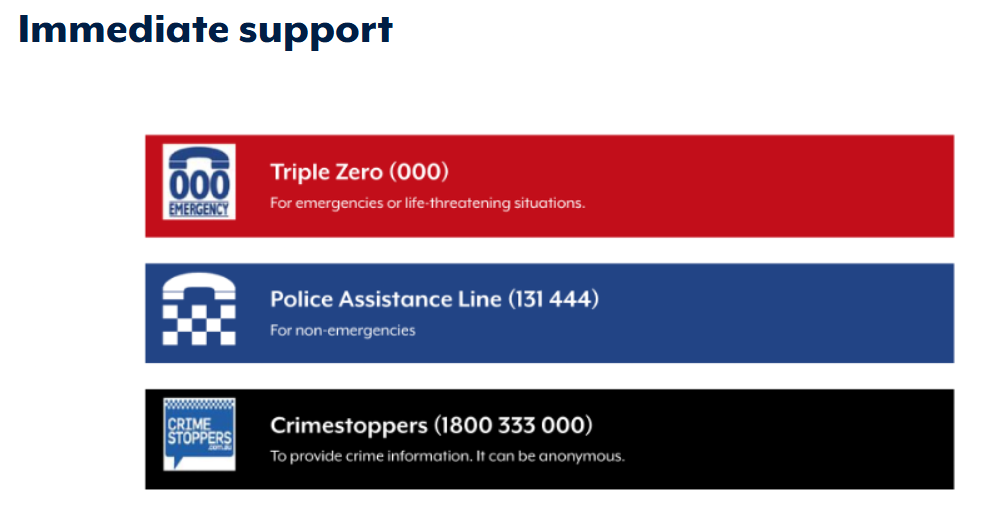
- Remember, legitimate police will never request money transfers or wallet access
- Report suspicious activity to ReportCyber or 1300CYBER1 immediately
Read also: Devastating Fake Romance Crypto Scam: Bay Area Widower Loses $1M Retirement
A Sobering Reminder in Digital Security
These highly developed schemes involving scammers impersonating police are also a reminder that cybercrime tactics are constantly evolving, as they utilize different technologies and trick human psychology. With the increasing acceptance of crypto assets, this type of personalized social engineering attack highlights the importance of vigilance and verification.
The Australian Federal Police emphasizes that while ReportCyber remains secure, users must remain cautious and need to be aware of how personal information can be weaponized through legitimate platforms.
FAQs
How are scammers impersonating police targeting crypto users?
Scammers impersonating police are using stolen personal information to submit false ReportCyber reports, then contacting victims with official-looking reference numbers to convince them to transfer crypto to fraudulent accounts.
What should I do if contacted by someone claiming to be the police requesting crypto?
If contacted by scammers impersonating police, immediately terminate the call and contact ReportCyber or 1300CYBER1 directly. Legitimate law enforcement will never request crypto transfers or access to your wallets.
How can I verify if a police contact is legitimate?
Genuine police will never pressure you for immediate action or request financial transactions. Always verify by calling the organization directly using official numbers from their website, not numbers provided by the caller.
For more crypto crime-related stories, read: The TimesCrypto Crime Report: Unmasking the New Wave of Sophisticated Crypto Scams


