





As we start the week, the crypto market is experiencing two opposing feelings: long-term optimism versus immediate pressure resulting from the large amounts of tokens being released into circulation.
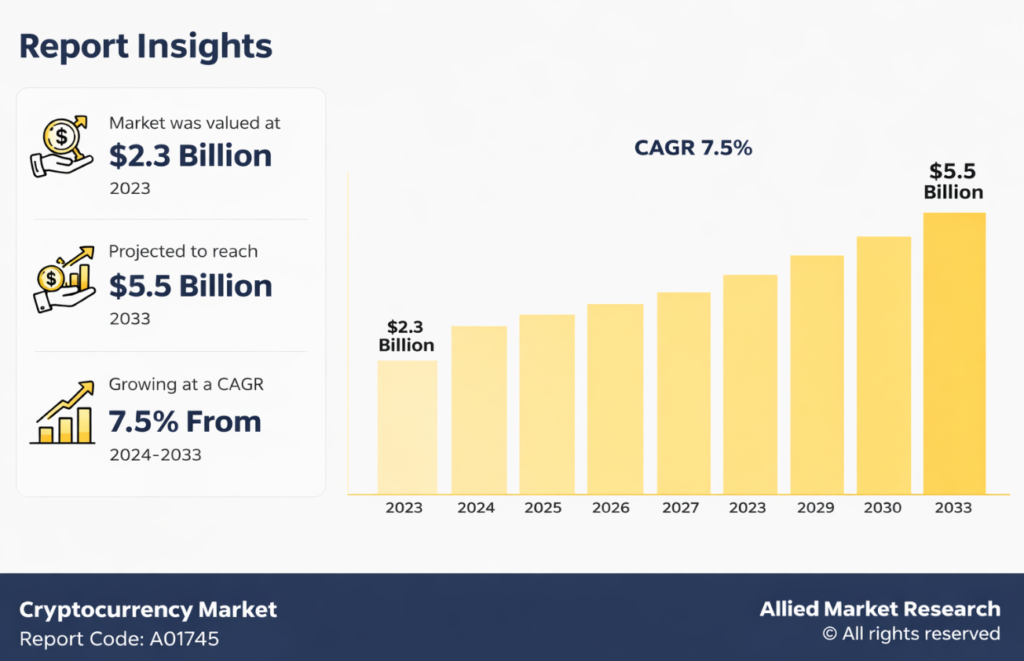
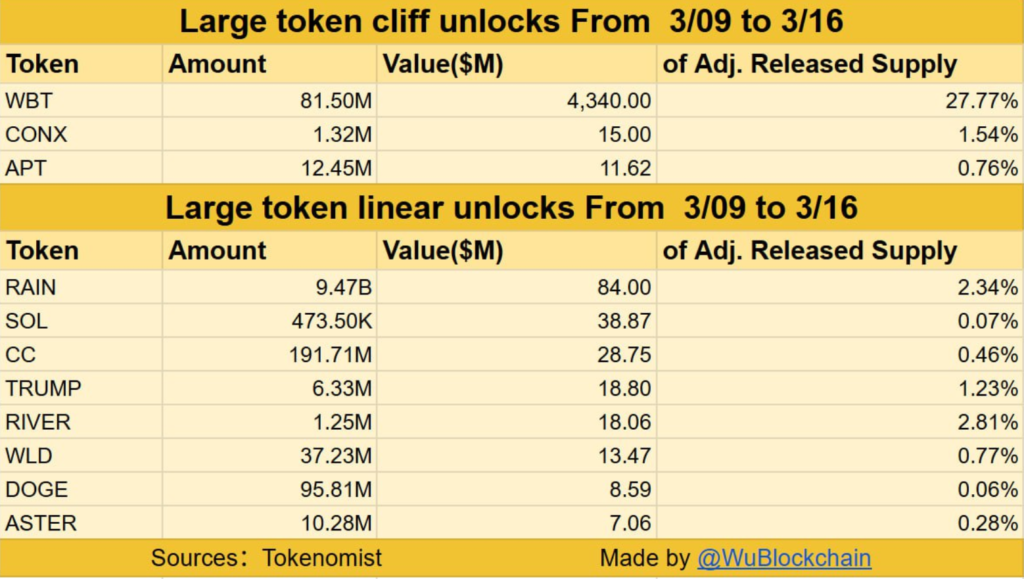
According to recently released research from Allied Market Research, the overall global crypto market will grow from USD 2.3 billion in 2023 to USD 5.5 billion by 2033, primarily due to increased demand for transparent payment systems and a greater remittance flow. However, traders are facing an immediate concern with over USD 4.58 billion worth of tokens that will be unlocked starting on March 9.
Supply Surge Tests Market Stability
The major contributing factors to the continued market supply over the next few weeks consist mainly of the substantial cliff of unlocked tokens from March 9 to March 16, 2026. Cliff unlocks usually put a lot of selling pressure on market prices because individual investors and projects that received tokens in the early stages of development can now sell their allocations when they become available. Some of these cliff unlocks will include CONX (USd 15 million) and Aptos (USD 11.62 million).
In addition, many projects will have token releases through a linear daily release basis: RAIN (USD 84 million), RIVER (USD 18.06 million), TRUMP (USD 18.80 million), Worldcoin (USD 13.47 million), and Solana (USD 38.87 million), incrementing the crypto supply.
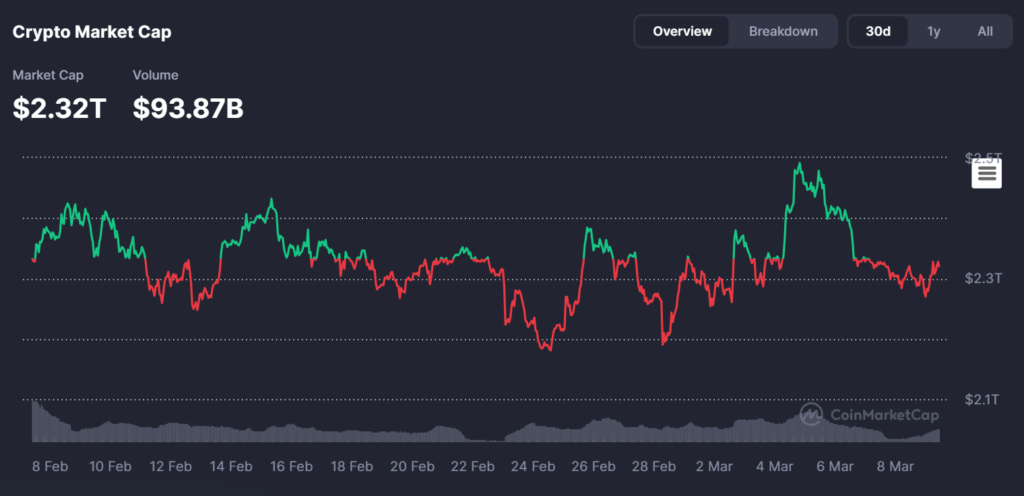
On the other hand, Bitcoin (BTC) has remained in a consolidation zone for the last month while fluctuating around the USD 67,000 level, with traders willing to buy dips under the USD 66,000 range. The total crypto market is at USD 2.32 trillion at the time of writing, and has increased 1% over a one-week period. Analysts indicate this balance (or equilibrium) is rather delicate and also point out that the sentiment index recently returned to single digits after twelve days of attempted stabilization.
Dynamics of Regional Growth
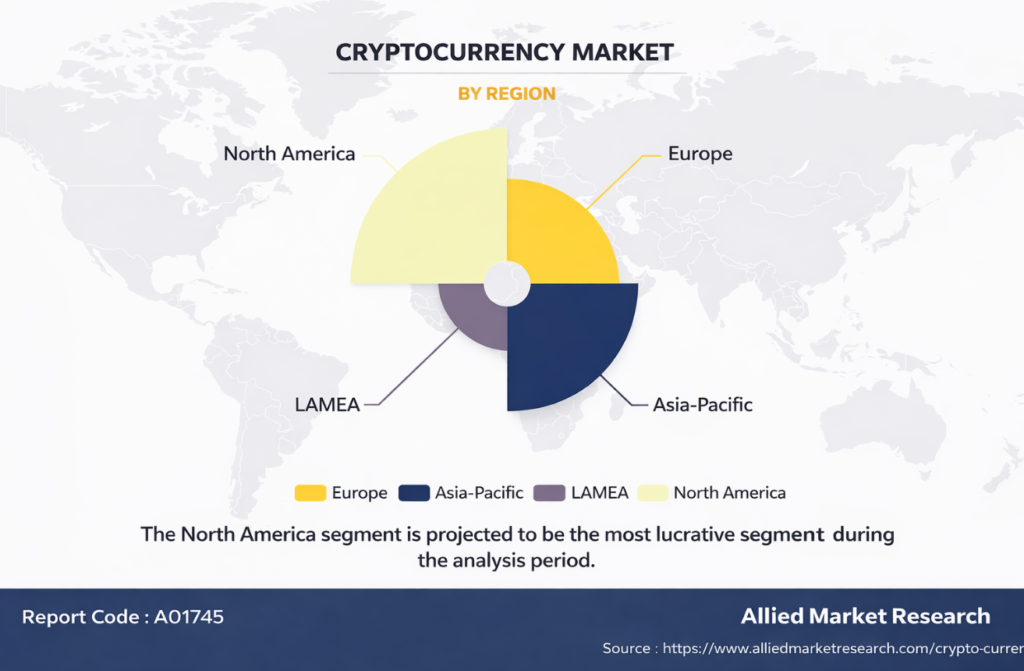
The Asia Pacific is leading in terms of regional expansion, representing about 50% of the total crypto market in 2023, and is forecasted to expand at a Compound Annual Growth Rate (CAGR) of 14.5% through 2033. The People’s Bank of China has established a blockchain security standard/specification, and Japan’s Rakuten now allows Bitcoin to charge e-currency balances. In 2020, for example, India was the 11th largest crypto adopter globally, with investments rising from USD 923 million to USD 6.6 billion between 2020 and May 2021. Australia and South Korea are also pushing to implement progressive regulatory frameworks.
Major Players and Segments of the Market
The software segment is projected to expand at a 14.2% CAGR, driven by the need for effective data handling and management of insight generated from blockchain technology; however, the hardware segment remains dominant in the market with approximately three-quarters of the market share. Some other largest players in the industry are BitFury, Intel, Nvidia, Ripple, and AMD. The transaction segment is projected to expand at a CAGR of 14.6%, reflecting the continuing trend among users to have full autonomy over their money and not require an intermediary to conduct transactions.


