




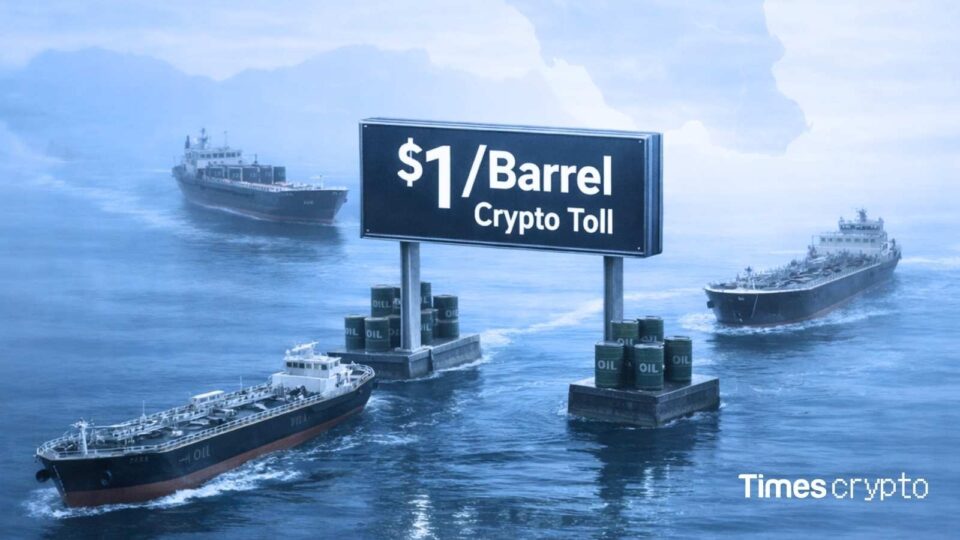
Iran Hormuz Crypto Toll: Iran’s Islamic Revolutionary Guard Corps (IRGC) has begun enforcing a controversial toll on merchant ships transiting the Strait of Hormuz, demanding payment in yuan or crypto. The fee is set at approximately USD 1/barrel of oil carried. This translates to a fully laden Very Large Crude Carrier (VLCC), with 2 million barrels, must pay roughly USD 2 million for a single, escorted passage.
How does the Iran Hormuz Crypto Toll Work?
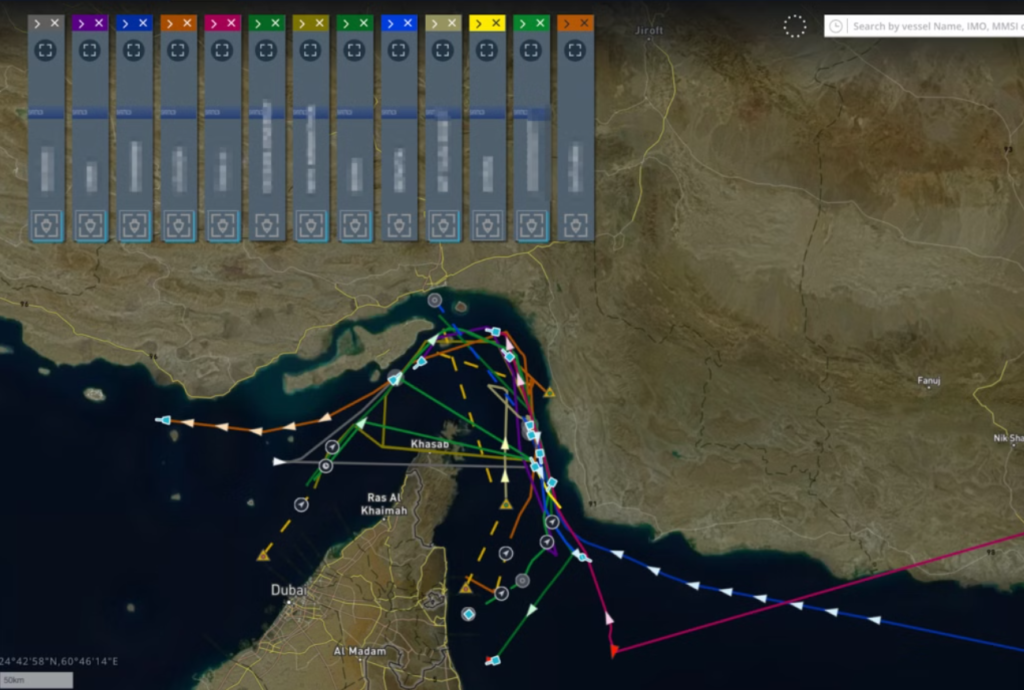
Shipping companies must first contact an IRGC-owned brokerage company and provide detailed information including ownership structure; cargo manifests, final destination; crew list; and real time Automatic Identification System (AIS) tracking. The IRGC Navy then reviews the vessel’s information to determine if the vessel has a connection to any hostile countries (specifically U.S. or Israel). The vessel will be placed into one of five categories based upon the political relationship of that nation with Iran; those countries with a good relationship will pay a lower toll, while other countries (Pakistan) are able to transit for free.
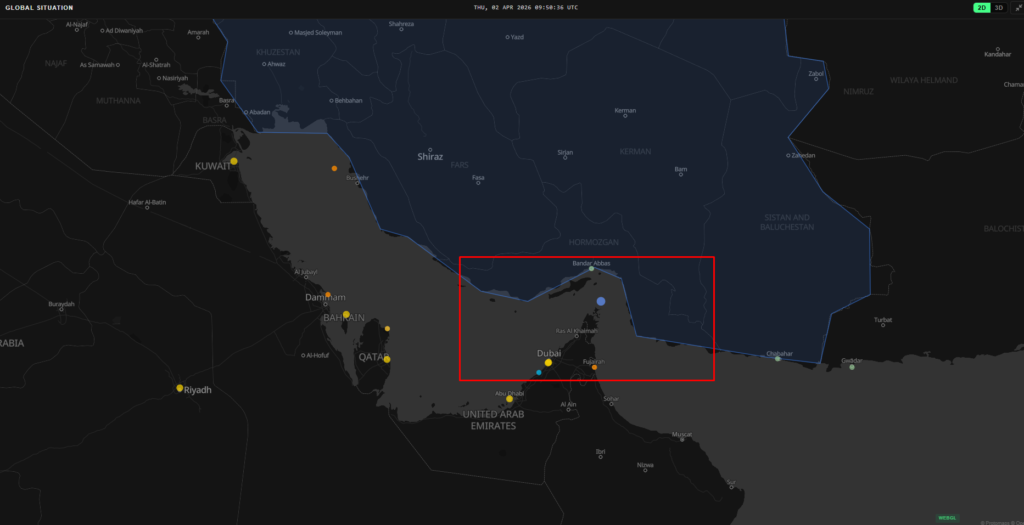
Once the Iran Hormuz crypto toll has been paid through stablecoins (such as USDT or USDC), or yuans, the vessel will be issued one pass code. The ship will then travel to the Iran-Vessel Checkpoint located halfway between Qeshm Island and Larak Island, provide the pass code via Very High Frequency (VHF) radio and will receive an IRGC protective escort through the strait to the Gulf of Oman.
Why It Transforms Global Shipping
The Iran Hormuz crypto toll fundamentally alters the economics of Persian Gulf energy exports. For example, increasing the shipping cost for a VLCC by USD 2 million, it would add approximately USD 0.30 – USD 0.50 to every barrel of crude oil delivered. This will put a strain on already narrow shipping margins. Furthermore, the payment method specifically avoids using the U.S. dollar and the Society for Worldwide Interbank Financial Telecommunication (SWIFT) banking system, and instead uses blockchain technology that makes it much more difficult to enforce sanctions.
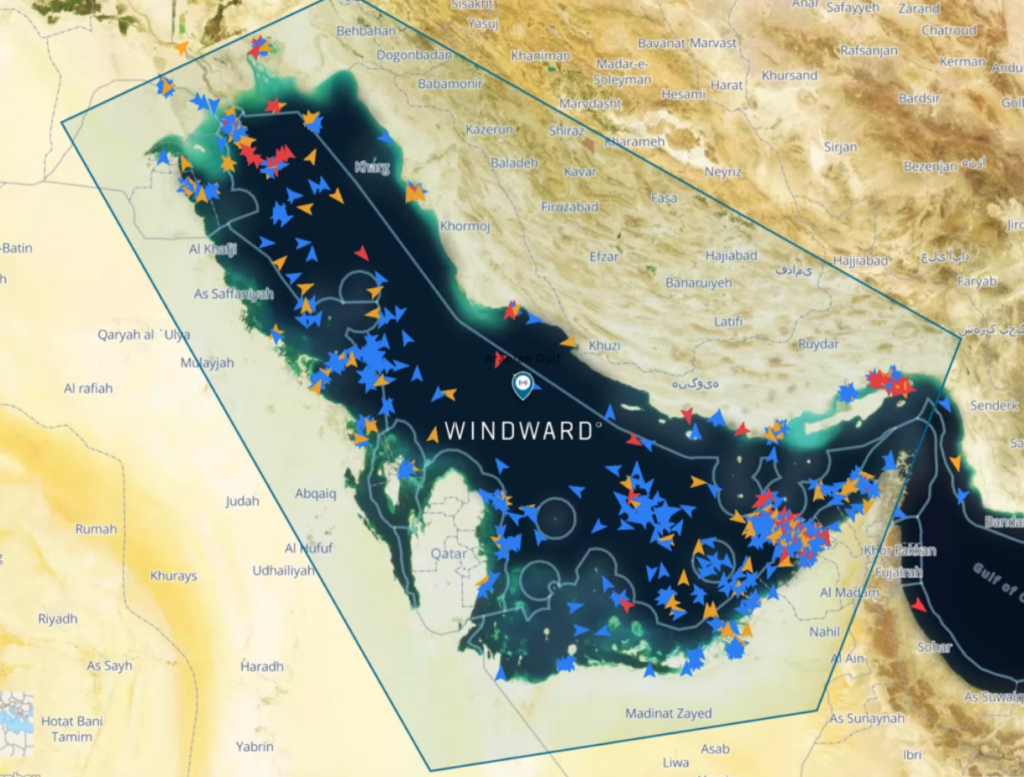
According to Windward data, the number of ships using the Iranian controlled shipping route was 6 vessels on March 31st, which is nowhere near the historical usage criteria. In fact, according to Kpler.com, there are more than 320 tankers and gas carriers that are unable to leave the Persian Gulf. Additionally, nearly 2,000 other commercial vessels are also unable to depart the Persian Gulf.
What’s Next
The international response to this incident has been low until now, but it is growing. The U.S. could add sanctions against IRGC-owned brokerages and there is also a growing pressure on stablecoin issuers to block wallets associated with this situation. China also stated that it is working with “relevant parties” to facilitate the passage of at least three Chinese vessels, demonstrating their attempt to balance energy security with non-proliferation.


