




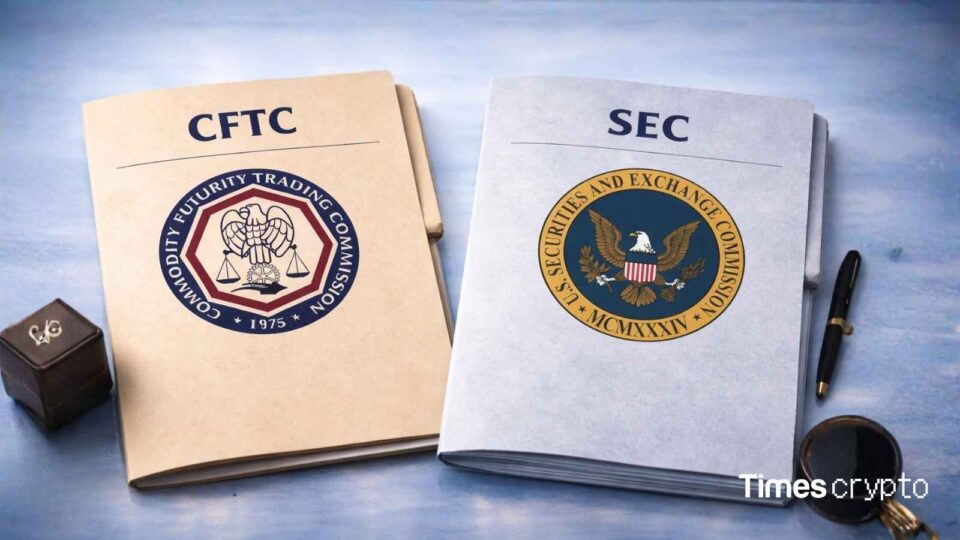
The top enforcement official at the U.S. Securities and Exchange Commission (SEC) resigned after disputes with senior agency leaders over how the agency should handle cases involving people connected to President Donald Trump, according to Reuters.
Margaret Ryan, who had run the SEC’s enforcement division for the past six months, left last Monday without explaining her decision in her resignation email. People familiar with the matter said Ryan had pushed for a tougher line in fraud and misconduct investigations, including matters involving figures in Trump’s orbit, but faced resistance from Chair Paul Atkins and other Republican appointees.
However, the SEC denied that politics played any role in its decisions. A spokesperson said the agency’s enforcement actions under Atkins were guided by “facts, the law, and policy, not on politics,” adding that the commission had “faithfully applied the federal securities laws” in every case.
Trump-Linked Cases Added to the Friction
The divide became most visible in matters involving crypto entrepreneur Justin Sun and Tesla CEO Elon Musk, with Sun backing World Liberty Financial, the Trump family’s crypto venture, and Musk serving as a major donor to Trump’s campaign before briefly becoming a special adviser.
One of the disagreements centered on the SEC’s case against Sun, whom the agency sued in 2023 on allegations that he generated more than $31 million through fraudulent trades. One of Sun’s companies later agreed to pay $10 million to resolve fraud charges without admitting or denying the findings, while other related claims were dropped.
The SEC is also in settlement talks with Musk over allegations that he failed to disclose in time that he had built a large stake in Twitter in 2022, according to the report. The agency said disagreements between staff and commissioners were not unusual, noting that “ultimately only the commissioners as officers of the United States vote on enforcement matters.”
The dispute came as the SEC under Atkins has taken a narrower enforcement approach, avoiding some of the broader corporate and crypto-focused efforts pursued under prior leadership and giving commissioners greater control over key investigative decisions.
An Unusual Pick Won Internal Backing
Ryan was seen by some as an unconventional choice for the role because of her limited securities-law background. Even so, she earned support from some career staff, who viewed the former Marine and military judge as willing to stand behind enforcement teams in negotiations with companies and executives under scrutiny.
In a February speech, Ryan emphasized the importance of the agency’s mission, saying, “Our mission – of protecting investors; maintaining fair, orderly, and efficient markets; and facilitating capital formation – is too important.” However, the internal disagreements ultimately overshadowed her brief tenure and led to her departure.
A Broader Shift Under Atkins
Ryan’s departure comes as Atkins has begun reshaping the SEC’s broader enforcement and regulatory approach, particularly in digital assets.
Earlier this month, Atkins said the agency would move away from what he described as regulation-by-enforcement in crypto and instead focus more narrowly on fraud, market manipulation, and breaches of trust while pursuing clearer rules for market participants.
That broader shift may help explain the tensions surrounding high-profile cases and the agency’s changing posture under his leadership.


