





Since late February, the U.S. Treasury yields surged sharply, with the 10-year note climbing 46 basis points to 4.42%, due to ongoing concern over inflation driven by rising oil prices and the deteriorating situation with Iran, thus leading to a tightening of financial conditions and a need for investors to reevaluate their expectations for interest rates moving forward.
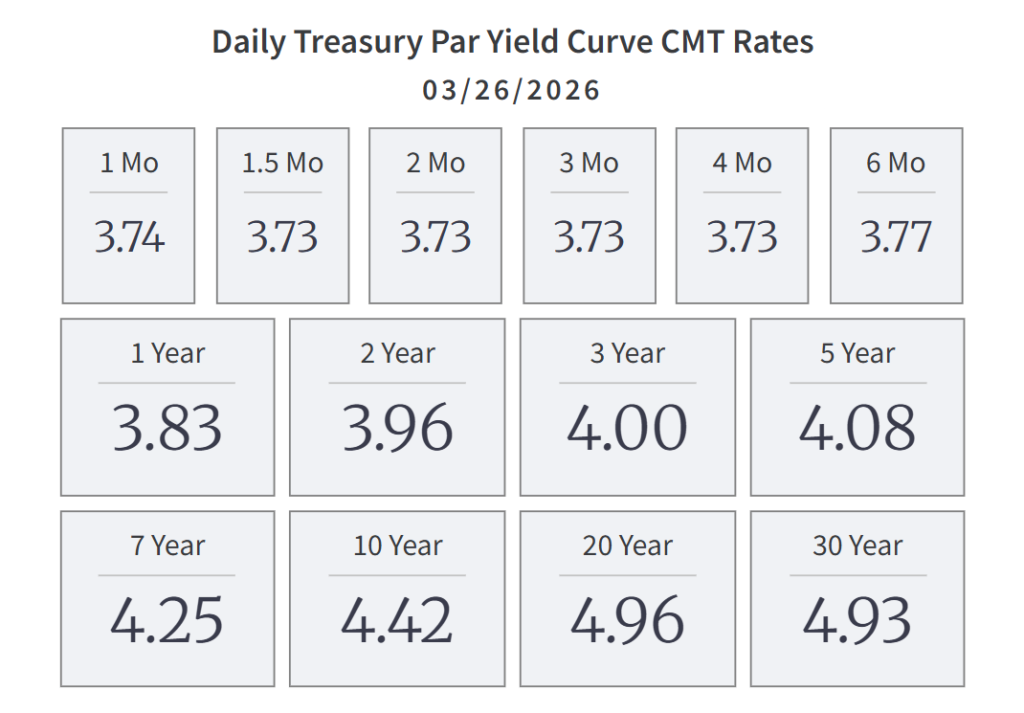
Why Treasury Yields Surge?
Bond yields are rising as markets price in a “higher for longer” rate environment. This means that central banks are expected to maintain high interest rates for extended periods to combat inflation, rather than cutting them quickly and returning to target levels.
For these matters, rising energy prices have a direct effect on inflation, leading bond investors to demand greater compensation to account for the erosion of purchasing power. In addition, futures markets now indicate a significant decrease in expectations for rate cuts by the Federal Reserve in 2026, a sharp reversal from late 2025.
The volatility surrounding the current Treasury yield surge is comparable to the April 2025 “Liberation Day” volatility (caused by the introduction of new tariff policies by U.S. President Donald Trump).
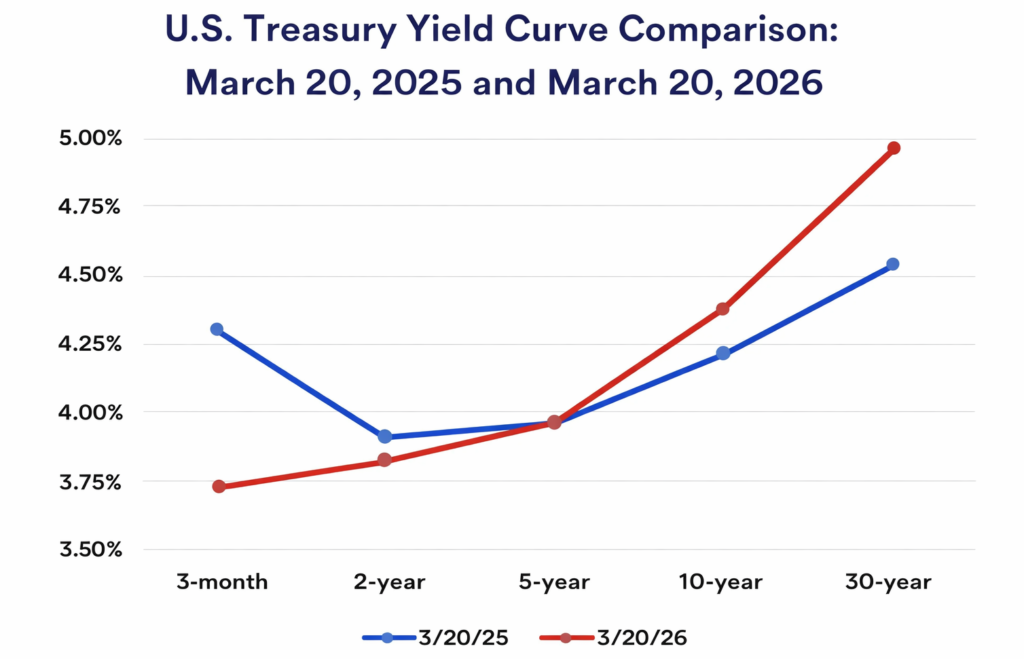
Analysts at The Kobeissi Letter caution that “the current backdrop is far more complex,” warning that “containing the bond market is not as simple as it may appear.”
Effects on Crypto and Speculative Investments
Higher risk-free rates typically weigh on speculative assets (like crypto) by increasing financing costs, hence making safer government bonds more attractive. According to QCP Capital, Bitcoin (BTC) has traded in a tight USD 68,000-USD 71,000 range for weeks now, showing resilience compared to equities but remaining “range-bound and headline-driven.” BTC is trading at USD 68,564 at the time of writing, in line with the cited statement.
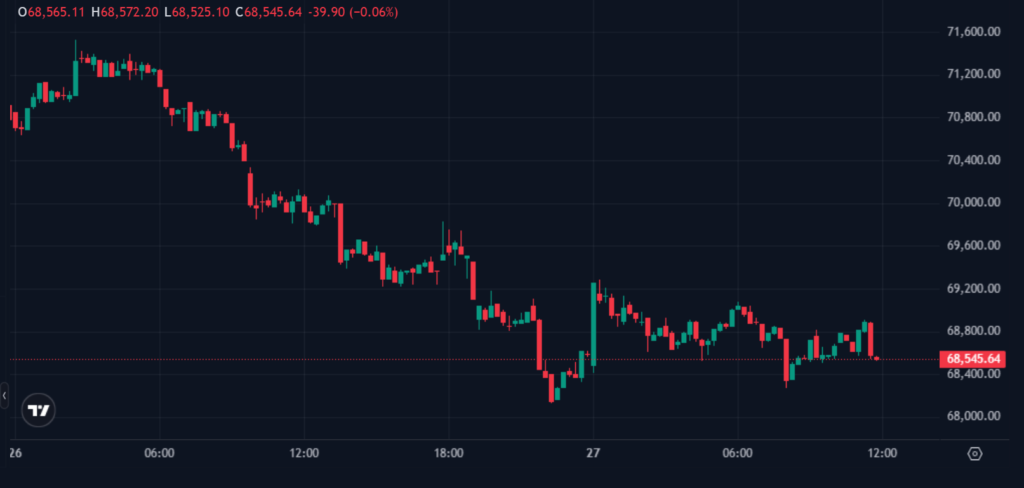
Option market behaviour shows that investors are purchasing downside risk protection (i.e., long put to lock in downside price protection), which demonstrates caution but definitely does not illustrate panic.


