





As conflict rocks the Gulf region, the UAE stock markets will close for the next two days. The UAE Capital Markets Authority decided to halt trading on both the Abu Dhabi Securities Exchange (ADX) and Dubai Financial Market (DFM) on March 2 and 3, 2026, to comply with its mandate of maintaining market stability in light of “evolving circumstances.”
In general, UAE stock market closures are very uncommon and usually occur in times of national mourning, as was the case after President Sheikh Khalifa died in 2022.
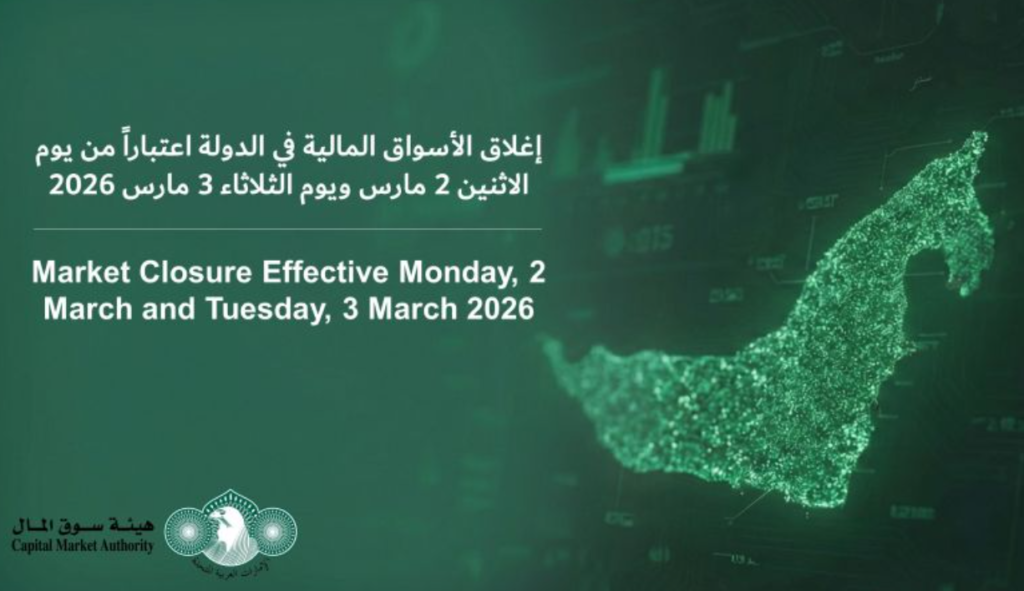
Rare Closure Amid Regional Escalation
UAE stock markets emergency closure was prompted by hundreds of Iranian missile and drone attacks into the United Arab Emirates (UAE) since Saturday as retaliation against both U.S. and Israeli bombing of Iran. While most missiles have been intercepted during these attacks, they have caused some panic to people living in the UAE and jeopardized the country’s position as a safe global financial center. So far, any collateral damage has been quickly controlled.
The remaining regional equity markets saw declines on Sunday as Saudi Arabia fell by over 4% and Egypt dropped by 5.44%, as well as Bahrain and Oman, having a little recovery on Monday. Kuwait also suspended trading operations.
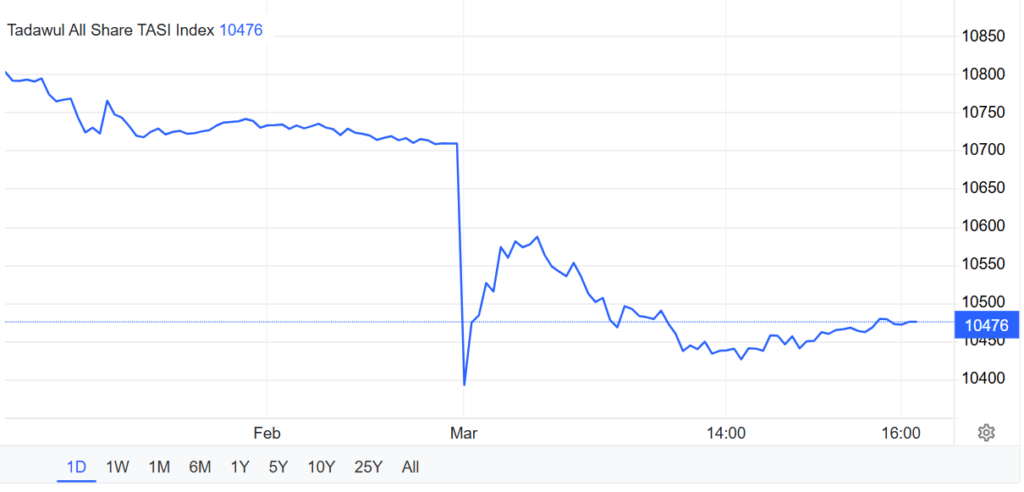
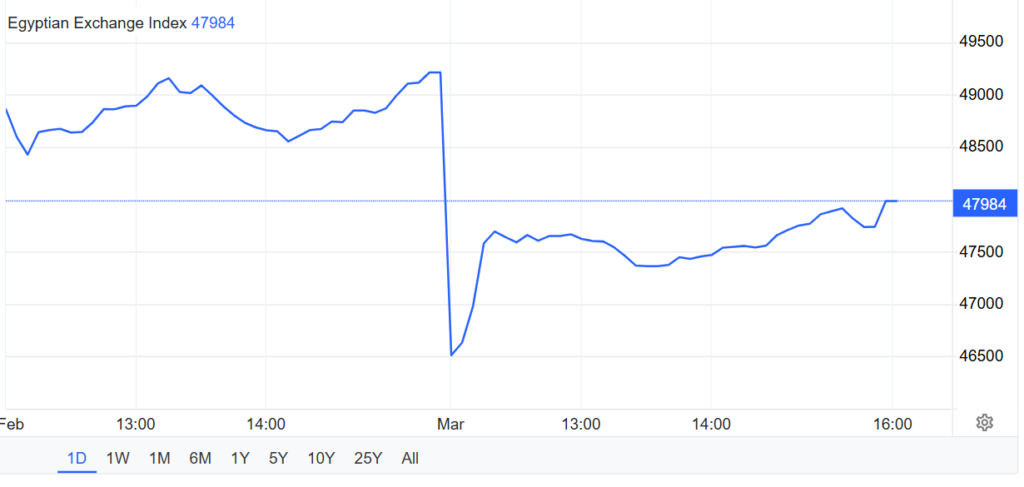
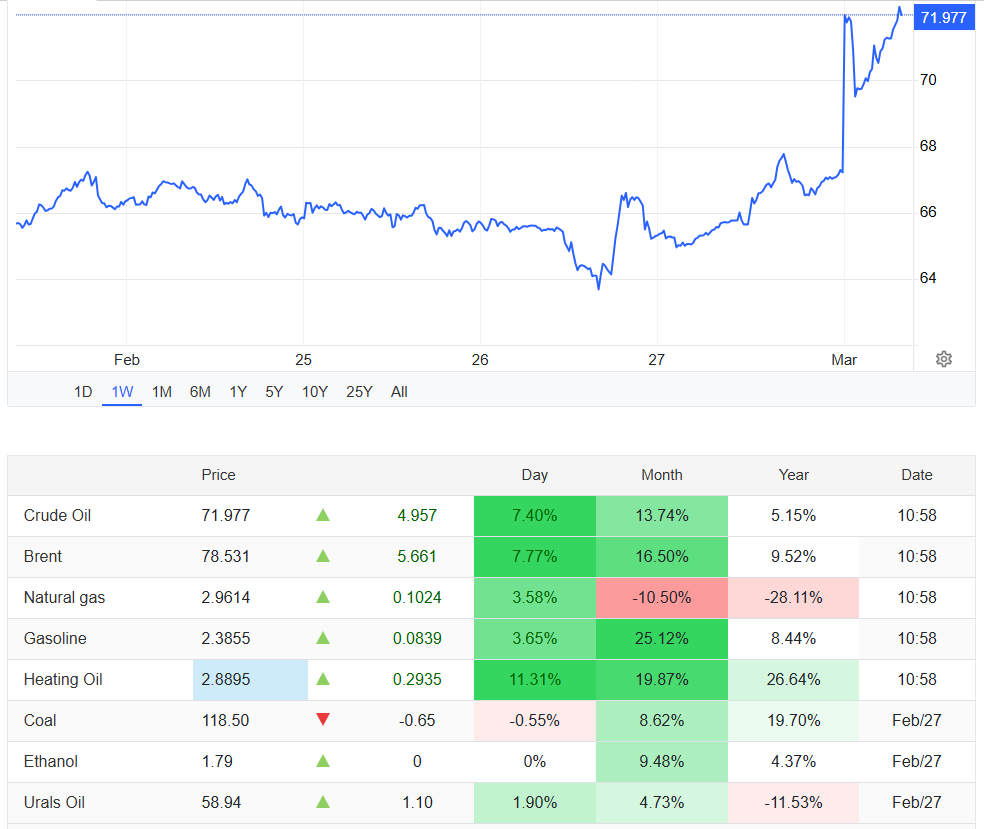
On the other hand, oil prices surged over 7% since Iran warns on ships not to pass through the Strait of Hormuz, as this route is responsible for 20% of the oil supply globally. This conflict is fueling volatility across the world’s energy markets.
Economic Impact and Precedent
Analysts are forecasting that this current crisis could potentially disrupt the absorption of 350,000 new housing units and endanger retail tourism. The combined market capitalization of both UAE exchanges is roughly USD 1.1 trillion, and they include many of the region’s highest value publicly traded companies.
Global precedents suggest extreme volatility upon markets reopening. e.g., Turkish markets surged after being closed following the earthquake in 2023; by contrast, Greek equity markets dropped sharply after 5 weeks of closure during their last major debt crisis in 2015.


