





Key Takeaways
- The TimesCrypto Crime Report shows that illicit crypto transaction volume is estimated to reach more than $51 billion by 2025, which is an increase from $46.1 billion in 2023 and $40.9 billion in 2024.
- The most common types of scams now range from AI-powered deepfake fraud to emotional manipulation and traditional phishing methods.
- Pig butchering schemes, romance scams, fake investment platforms, and crypto giveaway threats still wreak havoc on financial accounts and emotional stability.
- TimesCrypto Crime Report highlights new scam typologies and security breaches are exposing regulatory blind spots, pushing for a smarter, more resilient defense.
Table of Contents
TimesCrypto Crime Report: Main Findings
The latest TimesCrypto Crime Report exposes a harsh reality, far from cooling, digital criminality in crypto is only accelerating and increasing in complexity and professionalization. To this point, experts, analysts, and researchers largely agree that there is a strong likelihood of record-breaking illicit transaction volumes in 2025 of over $51 billion, a profoundly ironic figure for an industry primarily focused on transparency.

This surge is not just a statistical curiosity. Behind the data is a hidden theater: actors using advanced technology, psychological manipulation, and even AI-powered tools to defraud new and veteran crypto users alike. From June 2025 onward, expert reporters from TimesCrypto.com have dissected high-profile thefts, elaborate romance-con artistry, and synthetic deepfakes that blur digital truth.
Overview of the 2025 Crypto Scam Landscape
The Great Expansion: The evolution of Digital Banditry
In the last year, the sophistication of cybercrime and scams dramatically increased, as evidenced by an estimated 25% annual growth in identified illicit wallet addresses. Criminal organizations operate like well-oiled startups: nimble, global, and alarmingly persistent. Just the North Korean hackers have filled their bags with around $2 billion this year alone in digital assets.

Key Scam Types in 2025
1. AI-Generated Deepfake Scams
Suddenly, it’s not your grandma asking for help, it’s a pixel-perfect avatar of Elon Musk, delivering live YouTube promises to double your Ethereum. In reality, AI-generated videos and voice clips powered by large language models have become scammers’ go-to tools. For instance, a deepfake of Musk last June conned viewers out of over $5 million in minutes before wallets were drained and trails disappeared into darknet markets.
How to Spot:
- Be cautious of unusual speech patterns and blanket statements made by so-called celebrities.
- If a deal sounds too good to be true, even from a familiar face, investigate the source.
How to Avoid:
- Always cross-check wallet addresses and offers with verified channels.
- Report suspected deepfakes on the platform where you encountered them.
Related Deepfake Stories
Deepfake Crypto Scam Swindles Welsh Pensioner Out of £60,000
Doug Ford Crypto Scam Swindles Guelph Woman Out of $125K
Malaysian MPs Targeted in Coordinated AI Deepfake Extortion for Crypto
2. Pig Butchering & Romance Scams
The new wave of “pig butchering” cons has gone global, targeting emotionally vulnerable individuals through months of relationship-building online (mostly in secret). After trust is gained, victims are encouraged to invest in fraudulent crypto schemes, sell their possessions, or ask more money from family members, only to watch both money and affection vanish overnight. This week, a reportage highlighted a case where a retiree lost $1 million after receiving a “wrong number” text message that, surprisingly, developed into a romance-type scam that lasted for months, ending with the victim losing his life savings.
How to Spot:
- Beware sudden professions of affection or investment advice from new online acquaintances.
- Red flags include pressure to send crypto or stories that shift the conversation toward investment platforms.
How to Avoid:
- Do not send any type of money or personal information to a person you only met online.
- Ask friends, family, or independent advisors if you are going to send any substantial transfer.
Related Pig Butchering Stories
Devastating Fake Romance Crypto Scam: Bay Area Widower Loses $1M Retirement
Cambodian Pig Butchering Syndicate Loses $15B Bitcoin in Historic DOJ Seizure
3. Phishing and Fake Exchanges
Scammers erect websites that completely replicate trusted crypto exchange sites. They do this to trick users into entering their private keys or seed phrases. There are countless stories of investors who thought they were using a regulated service, only to find out that their funds had been taken. The same happens with fake startups impersonating Web3, gaming, or AI projects just to push malware through fake whitepapers, websites, etc.
How to Spot:
- Always double-check URLs for subtle misspellings or extra characters.
- Look for missing HTTPS security indicators or broken JavaScript.
How to Avoid:
- Never click exchange links (or even regular ones) sent via email or social media; instead, go directly to the source or conduct research.
- Bookmark trusted sites and use password managers to avoid typos.
Related Phishing Sites Stories
Fake AI Startups Drain Crypto Wallets in Sophisticated Social Engineering Scam
Europol Dismantles Major Latvian Crypto Phishing Ring in International Sting
4. Impersonation and Kidnapping Plots
In an emerging twist, scammers deploy social engineering and AI voice synthesis to impersonate not just businesspeople, tech support reps, but also their families or colleagues. In extreme and chilling cases, this extends into coordinated kidnapping scams, to the point of torturing victims, harnessing blockchain’s anonymity for ransom collection.
How to Spot:
- Pressure tactics demanding immediate crypto payments.
- Unverified communications from “colleagues” or loved ones, especially involving financial requests.
How to Avoid:
- Avoid making public your activities related to your financial situation.
- Confirm any request through a second channel.
- Contact authorities or security personnel immediately.
Related Kidnapping Stories
$8M Armed Crypto Kidnapping Heist: Texas Brothers Face Federal Charges
Ontario Kidnapper Gets 13 Years for $1M Bitcoin Ransom Plot
Crypto Kidnapping: Indian Court Hands Life Terms to 14 in Landmark Trial
Trends Behind the Surge
TimesCrypto Crime Report and Chainalysis spotlights a paradox: even as enforcement and detection improve, criminal innovation grows. The overall percentage of crypto transactions linked to crime is still less than 1%, but the total dollar loss is mounting, with pig butchering and deepfakes on track to outpace ransomware and phishing in 2025.
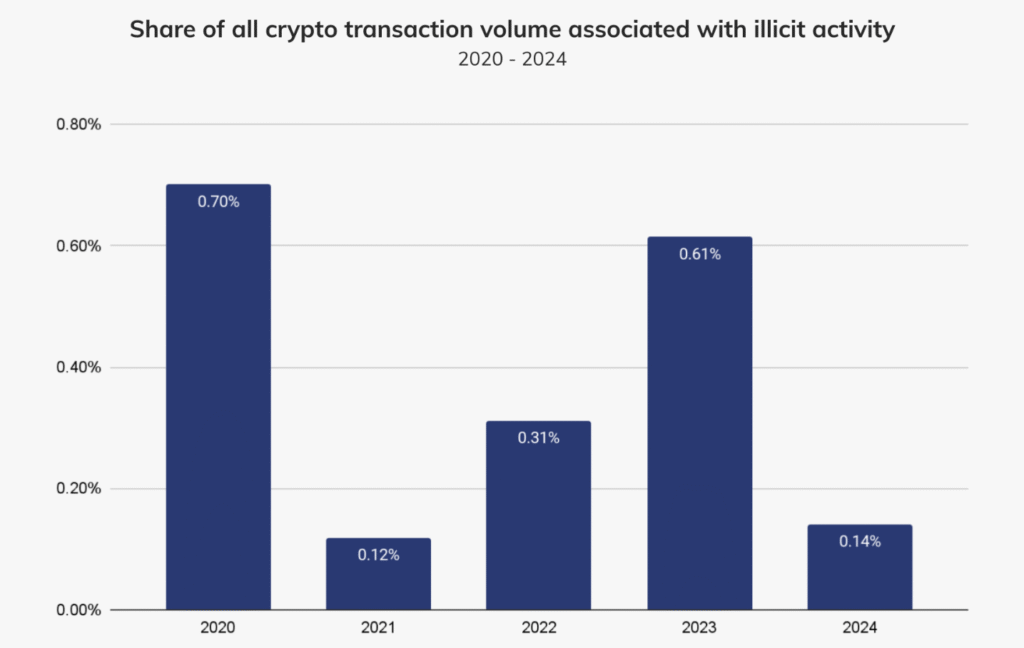
Regulators and centralized exchanges rush to blacklist addresses, but sophisticated criminal rings rapidly respawn, shifting stolen assets via privacy coins or mixing services. As detection tech [like the Security Alliance (SEAL)’s Verifiable Phishing Reporter Tool and the Beacon Network from TRM labs that help freeze stolen funds] races against attackers, the public is left to rely on knowledge as their primary armor.
Read also: Seoul Police Dismantle $30M Crypto Korean Hacking Organization with Chainalysis
How to Outsmart the Modern Crypto Scam
Stay skeptical, but not cynical. If the opportunity appears to be urgent, emotional, or untraceable, assume the worst and take a minute or two to think about it. Education on new technology and human psychology is still the best hedge. Report suspicious activity, advocate for enhanced security standards, and demand transparency from industry leaders.
TimesCrypto Crime Report: Wrap Up
The Crypto Crime Report leaves no doubt: in 2025’s Web3 wilds, digital bandits adapt as fast as protocols evolve. As enforcement and technology advance, human nature is, however, still the hacker’s favorite vector. Staying informed, vigilant, and emotionally detached is the new “hardware wallet” for your mind – and your wallet.
FAQs
What is the projected illicit crypto volume for 2025?
According to the TimesCrypto Crime Report, illicit crypto transactions may exceed $51 billion globally in 2025.
What’s the fastest-growing scam type according to the TimesCrypto Crime Report in 2025?
The fastest-growing scams are AI-driven deepfake and pig butchering schemes that exploit both technology and human vulnerabilities.
According to the TimesCrypto Crime Report, how do deepfake scams usually work?
Attackers use AI to create convincing audio/video impersonations of trusted figures, tricking victims into sending funds or revealing sensitive info.
What can I do if I’m targeted?
Verify the request through multiple channels, avoid urgent or secretive crypto transfers, and report the scam to authorities promptly.
Are all crypto crimes becoming more common?
Although overall crime remains a fraction of crypto activity, the dollar amounts and technical sophistication are rising year over year, according to the latest TimesCrypto Crime Report and Chainalysis.
For more crypto crime stories, read: INTERPOL’s Global Financial Crime Operation Recovers $439M, Freezes 400 Crypto Wallets


