





- Japan’s Financial Services Agency has approved the first pilot under its Payment Innovation Project, taking the first step toward testing blockchain-based payment system involving the country’s largest banks.
- Mizuho, MUFG, SMBC, Mitsubishi Corp., MUFG Trust, and Progmat are jointly piloting a yen-pegged digital token for enterprise use, with Mitsubishi leading the initial rollout.
- The stablecoin will be used for business-to-business payments, aiming to streamline inter-company settlements, manage internal funds, and reduce operational friction.
- Participating banks are working toward a shared framework to ensure the stablecoin operates seamlessly across systems and complies with regulatory requirements.
- While starting with a yen-denominated token, the project could expand to other currencies and serve as a blueprint for regulated, cross-border digital payment systems.
Table of Contents
Japan’s Financial Services Agency (FSA) has approved the first pilot under its new Payment Innovation Project (PIP), a government-led initiative designed to advance blockchain-based payment infrastructure. The trial will test the legal and operational viability of stablecoins jointly issued by several of the country’s largest banks.
Set to begin this month, the pilot involves Mizuho Bank, MUFG Bank, Sumitomo Mitsui Banking Corporation, Mitsubishi Corporation, Mitsubishi UFJ Trust and Banking Corporation, and Progmat Inc.
The trial will focus on ensuring that service design, compliance requirements, and supervisory measures are legally sound and appropriately implemented when multiple banking groups issue stablecoins collaboratively.
The FSA emphasized that the project met key criteria for support, including innovation, societal benefit, consumer protection, and resource feasibility. Following the trial, the agency will publish the findings, particularly those related to regulatory interpretations and compliance challenges, on its website.
Megabanks in Japan Pursue Unified Legal and Technical Standards
At the heart of the pilot is a new enterprise-grade stablecoin framework, built on MUFG’s Progmat blockchain platform, which enables secure, programmable asset transfers and is designed to streamline complex operations across large corporate networks.
The stablecoin’s initial purpose will be to facilitate business-to-business payments, targeting inefficiencies in inter-company settlements, fund management, and cross-subsidiary transactions.
Mitsubishi Corporation, one of Japan’s largest conglomerates, is expected to lead the first real-world implementation. With over 240 subsidiaries globally, the firm will test the token in areas like dividend distribution, M&A-related fund flows, and internal payments.
To ensure seamless adoption across banking and corporate systems, the participating banks are working toward a shared technical and legal standard. This harmonized framework is designed to enable interoperability and regulatory clarity, paving the way for widespread use among their combined base of more than 300,000 corporate clients.
Though the first rollout will focus on a yen-pegged token, stakeholders are already in discussions about issuing stablecoins linked to other major currencies in future phases. If successful, the initiative could establish Japan’s first unified bank-backed digital payment system, representing an infrastructure-level breakthrough that aligns with global trends in tokenized finance and central bank digital currencies.
By embedding compliance and supervisory considerations into the experimental phase, the FSA aims to build regulatory guardrails alongside innovation. The outcome could shape not just Japan’s domestic financial architecture, but also offer a model for cross-border digital settlement systems.
Two Tokens, One Month; What Does It Mean?
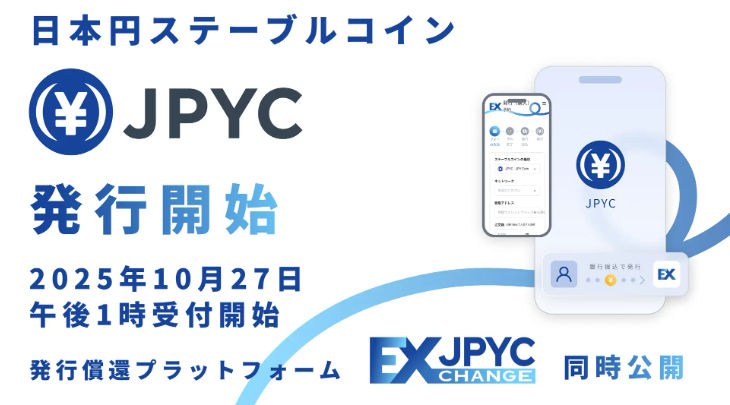
The Payment Innovation Project pilot follows the launch of JPYC, Japan’s first regulated yen-pegged stablecoin, introduced in late October by JPYC Co., Ltd. That rollout marked the first time a privately issued digital yen received full regulatory approval under the Payment Services Act, backed entirely by deposits and government bonds.
This move signals a clear shift toward a more open and competitive digital finance landscape in Japan. Instead of relying on one official stablecoin, regulators are allowing several licensed issuers, from fintech firms to major banks, to operate under the same framework. This gives companies the freedom to create and test new payment models while still meeting strict requirements for full backing, redemption, and customer verification.
Read More: UK to Unveil Stablecoin Framework on November 10, Keeping Step with U.S.


