




The Flare Network has released a new governance proposal known as FIP.16, with the objective of updating FLR tokenomics and establishing a better relationship between the Token Value and Network Activity. Voting for FIP.16 will open on Saturday, April 18th, and close on April 27th, with a simple majority of votes needed to pass.
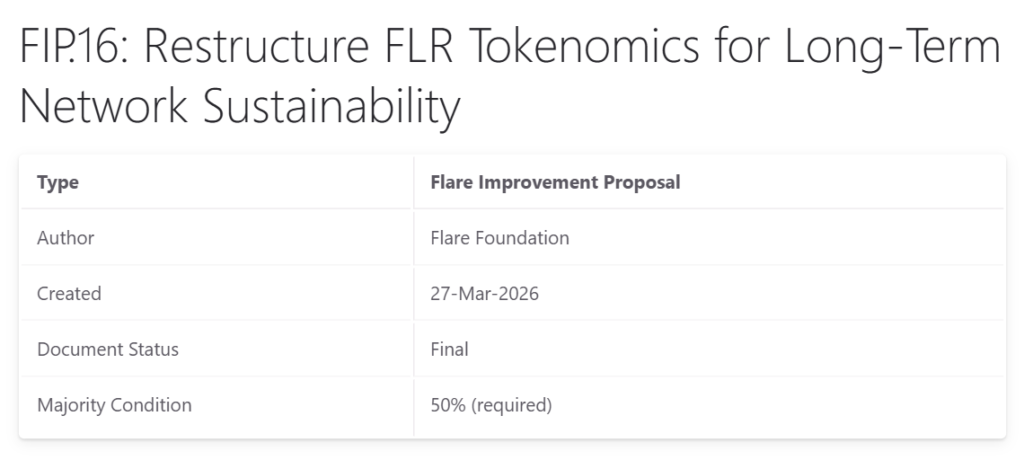
Main Changes in Flare Improvement Proposal – FIP.16
Flare proposes a major FLR Tokenomics update, from cutting inflation out to 3%, capturing Maximal Extractable Value (MEV), to fund buybacks.
Annual FLR Token Inflation Decrease: FLR’s annual inflation will be reduced from 5% to 3%, and the total amount of yearly inflation will be reduced to 3 billion, down from 5 billion FLR, keeping the cap aligned with the inflation rate reduction.
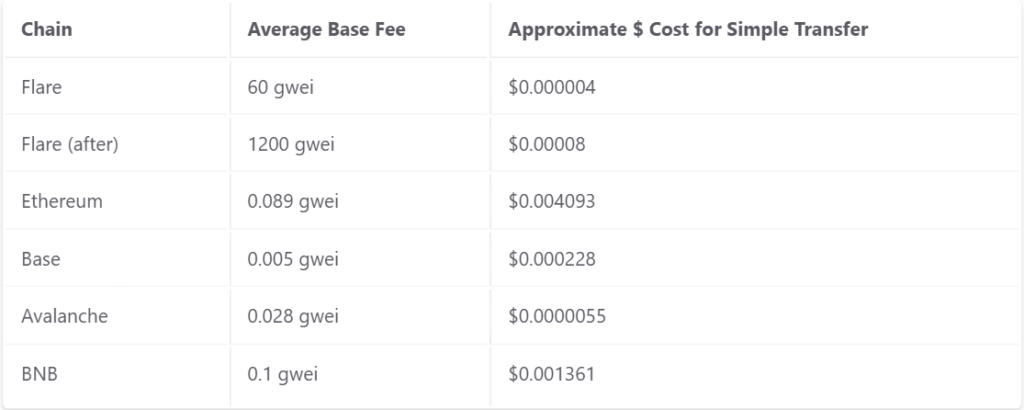
Fee Adjustments: The base transaction fee will be increased by 20x (from 25 to 500 gwei), but will still be significantly less expensive than similar transactions on Ethereum. The Flare Data Connector (FDC) data request fees will increase 3-20x, depending on the type of data requested. The table below shows a comparison of average transaction costs across popular blockchains.
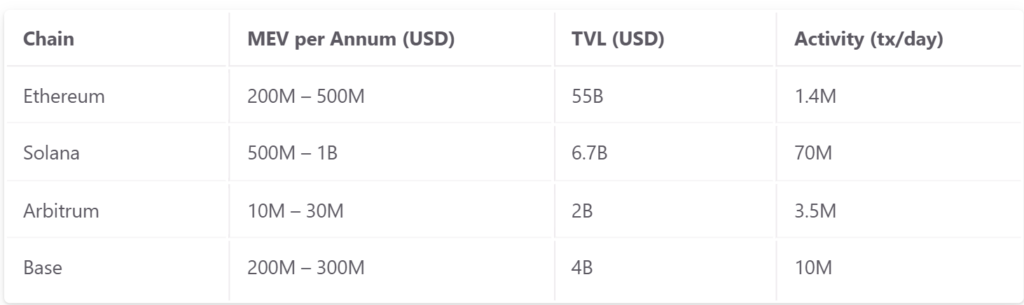
MEV Capture: The Flare Network will institute a single “builder” approach to capturing MEV, based on the estimated annual value of MEV on Ethereum being between USD 200 million and USD 500 million, and will direct all MEV proceeds to the Flare Income Reinvestment Entity (FIRE).
FIRE Treasury: The new FIRE Treasury will collect fees from FDC requests, Flare Assets (FAssets), Flare Confidential Computes (FCCs), and MEVs and use those funds to buy and burn FLR Tokens, replace the FLR monetary inflation rewards, and provide incentives for asset issuers.
Staking Changes: Platform Chain (P-Chain) Staking will receive 5x the voting weight relative to delegating from the C-Chain [where decentralized applications (dApps) and smart contracts operate], thereby providing an incentive to use locked staking versus liquid delegation (minimum fee for the C-Chain must be 20% of the single Builder fee); to ensure validator sustainability.
What Happens Next
If this proposal passes, inflation will decrease, and new FIRE assets will be created quickly. Fee increases and MEV capture would need to be implemented with a hard fork later this year. The Flare’s governance will monitor network activity and may adjust parameters via future FIPs.


